A nurse’s guide to the first day with your newborn
The first 24 hours after birth are often described as a blur of emotions, learning, and incredible moments. For many families, this time includes meeting their baby, beginning feeding, and adjusting to the physical recovery after delivery.
As a Labor & Delivery and postpartum nurse who has spent many years supporting families during this transition, I’ve seen how helpful it is when parents understand what this first day may look like.
This guide walks through what typically happens during the first 24 hours after birth, along with research-based insight, gentle support, and practical tools that can help new parents feel more prepared.
The First Hour After Birth: The Golden Hour
The first hour after delivery is often called the “golden hour.”
During this time, many hospitals encourage immediate skin-to-skin contact between parent and baby.
Research referenced by the World Health Organization shows that skin-to-skin contact helps:
• regulate baby’s body temperature
• stabilize heart rate and breathing
• promote early breastfeeding
• strengthen bonding between parent and baby
During this time you may notice your baby:
• looking around quietly
• making small rooting motions
• attempting their first feeding
Even babies born by cesarean section can often experience skin-to-skin contact once both mother and baby are stable.
The First Feeding
During the first few hours after birth, many babies show natural feeding instincts.
These cues may include:
• turning their head toward the breast
• opening their mouth
• sucking on their hands
• making small sucking motions
According to the American Academy of Pediatrics, early feeding within the first hour of life supports successful breastfeeding and helps regulate newborn blood sugar.
Some babies latch quickly, while others take time to learn.
Both experiences are normal.
Many hospitals provide lactation support to help parents feel comfortable during this learning process.
Physical Recovery for Mom
The first 24 hours are also an important time for a mother’s body to begin healing.
After delivery, the uterus begins contracting back down to its pre-pregnancy size. These contractions are sometimes called afterpains and may feel similar to mild cramping.
Common physical experiences during the first day include:
• vaginal bleeding (called lochia)
• uterine cramping
• soreness or swelling in the perineal area
• fatigue after labor
Nurses monitor mothers closely during this time to ensure recovery is progressing normally.
Comfort measures such as rest, hydration, and gentle movement help support healing.
Baby’s First Assessments
Newborns receive several important health checks during the first day of life.
These may include:
• monitoring breathing and temperature
• measuring weight and length
• checking reflexes
• screening for certain health conditions
Many hospitals also provide a hearing screening and newborn metabolic screening during the first 24–48 hours.
These assessments help ensure babies are adjusting well to life outside the womb.
Sleep in the First 24 Hours
Many parents are surprised that newborns often sleep quite a bit during the first day.
Birth is a big transition for babies as well.
During the first 24 hours, many newborns alternate between:
• short alert periods
• feeding attempts
• long stretches of sleep
This pattern often changes after the first day, when babies may begin waking more frequently to feed.
Diaper Changes and Early Output
In the first 24 hours, newborns usually have at least one wet diaper and one bowel movement.
The first stool is called meconium, which is thick, dark, and sticky.
This is completely normal and a sign that the baby’s digestive system is beginning to function.
Helpful Comfort Tools for the First Day
A few small items can make the hospital stay more comfortable during those first hours with your newborn.
Comfortable Postpartum Robe
- postpartum maternity robe
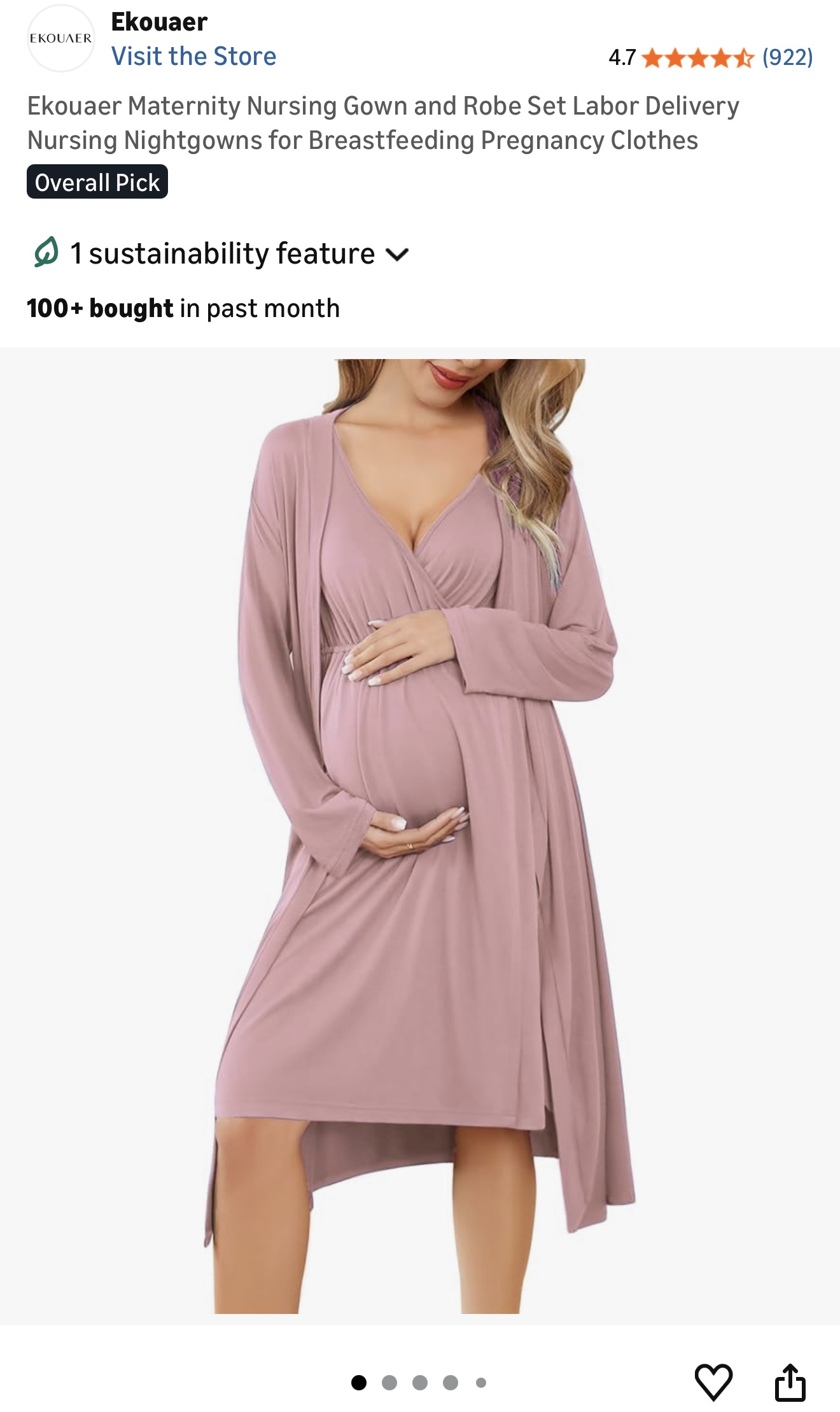
After delivery, many moms appreciate having a soft robe to wear over their hospital gown.
This helps provide warmth and comfort while:
• feeding baby
• greeting visitors
• walking around the postpartum room
Nursing Pillow
- nursing pillow
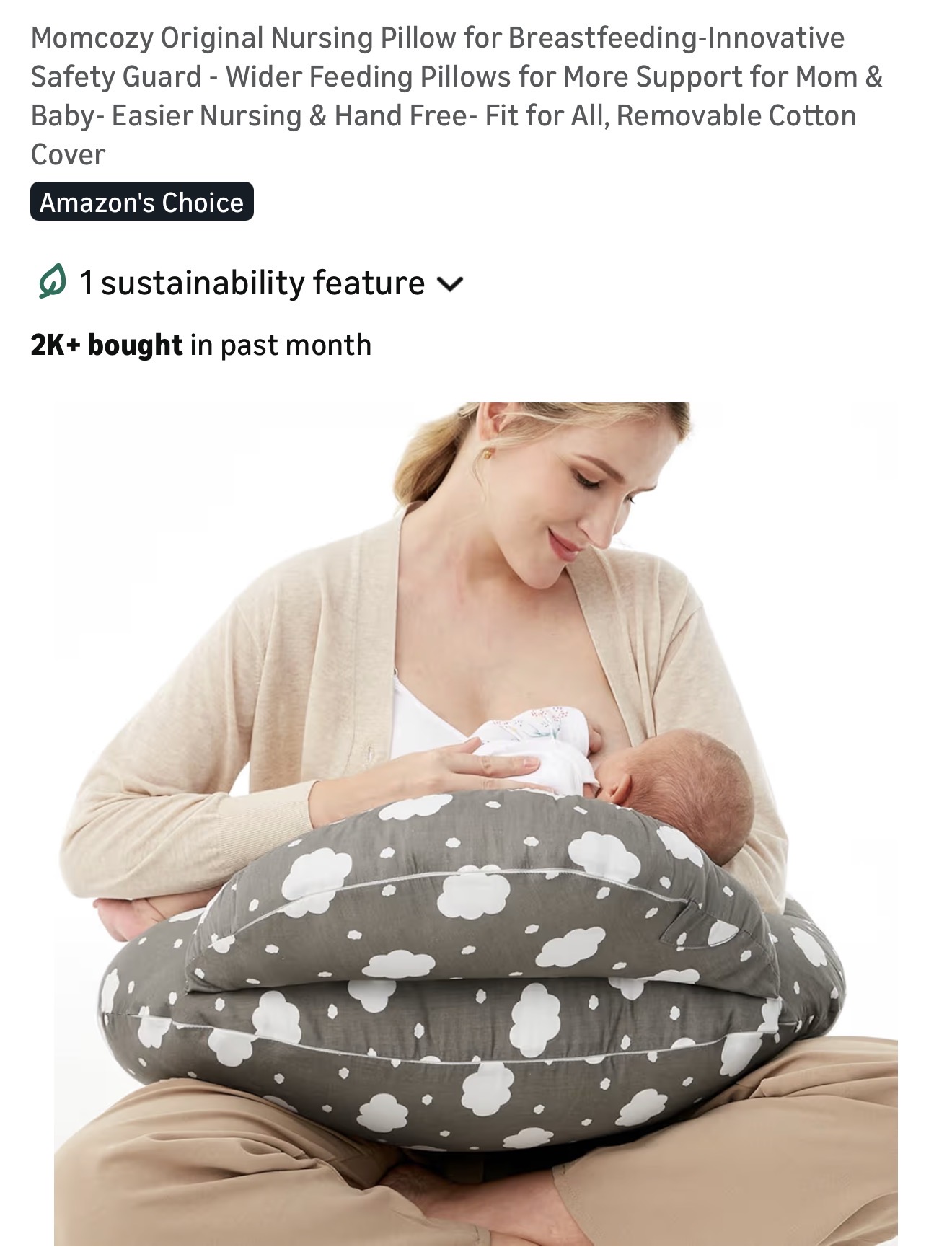
A supportive pillow can make feeding more comfortable during the early learning phase.
These pillows help:
• position baby at breast level
• reduce strain on the shoulders and neck
• support longer feeding sessions
Many new moms say this is one of their most helpful postpartum tools.
Insulated Water Bottle
- insulated water bottle

Hydration is extremely important after delivery, especially for breastfeeding mothers.
Keeping a water bottle nearby helps encourage frequent hydration, which supports recovery and milk production.
Emotional Changes in the First Day
The first 24 hours after birth are often filled with many emotions.
Parents may feel:
• joy
• relief
• exhaustion
• gratitude
• sometimes unexpected tears
Hormonal shifts after birth can create emotional sensitivity, which is completely normal.
Many parents also feel overwhelmed as they begin caring for their newborn.
This is where support from nurses, partners, and family members becomes incredibly valuable.
You are learning something entirely new, and it takes time.
A Brand Supporting Families
As someone who has spent many years caring for families during the newborn season, I’m thoughtful about the products and companies I recommend.
One company whose mission aligns with supporting families is EveryLife.
Their commitment to valuing life and supporting parents reflects the heart of caring for newborns and families during this special time.
Postpartum Recovery Support
During the first 24 hours after delivery, one of the biggest physical adjustments for moms is postpartum bleeding and recovery. Having comfortable, reliable protection can make those first days feel much more manageable.
One postpartum bundle many moms appreciate includes organic cotton recovery pads paired with supportive period underwear designed for postpartum healing.
This bundle contains two boxes of heavy-absorbency organic cotton pads and two pairs of brief-style period underwear, designed to work together for maximum comfort and protection during postpartum recovery.
The period underwear are made with natural, breathable, antibacterial fabric fibers and a seamless design that provides 4-way stretch, allowing the fabric to adjust gently to your body during the early recovery phase.
They feature:
• an unscented, moisture-control lining
• a leak-proof 4-layer gusset
• soft fabric designed to reduce irritation after delivery
• a washable, reusable design
On their own, the underwear provide medium absorbency, but when paired with the heavy-absorbency organic cotton pads, they offer maximum protection during the heavier bleeding days of postpartum recovery.
Many postpartum nurses recommend this type of layered protection because it helps moms feel more secure while:
• resting
• feeding baby
• walking around the postpartum room
• adjusting during those first days of recovery
Comfort and confidence during recovery allow mothers to focus on what matters most — resting, healing, and bonding with their baby.
If you’re preparing for your postpartum recovery kit, you can explore these essentials through my partnership with EveryLife and use my code:
NURTUREBYGRACE10
for 10% off your order.
Final Encouragement from a Nurse
The first day with your baby is a moment many parents remember for the rest of their lives.
In the quiet moments — holding your baby, watching them sleep, listening to their tiny breaths — something sacred unfolds.
Many parents find comfort remembering this truth:
“Children are a gift from the Lord.” — Psalm 127:3
Your baby is a beautiful gift, and the love growing in your heart during these first hours is the beginning of a lifelong journey.
After many years supporting families during the first hours after birth, one truth stands out clearly:
You don’t need to have everything figured out on the first day.
The first 24 hours are about:
• resting
• bonding
• learning your baby
• asking questions
Nurses, doctors, and support staff are there to guide you through these first steps.
And before long, you will begin to find your rhythm as a new parent.
One feeding, one diaper change, and one cuddle at a time.
-Jessica Azcarraga
This post may contain affiliate links. As an associate with Amazon, I may earn from qualifying purchases at no additional cost to you. I only recommend products I believe are helpful for families.