Author: Jessica Azcarraga

  • Establishing Milk Supply in the First 2 Weeks

    A nurse’s guide to building a strong foundation

    The first two weeks after birth are one of the most important windows for establishing a healthy milk supply.

    As a postpartum nurse, I often remind moms that this phase is not about perfection—it’s about consistency, support, and learning together with your baby.

    In these early days, your body and your baby are working in sync to build a feeding rhythm that will support you in the weeks ahead.


    How Milk “Comes In”

    After delivery, your body transitions from producing colostrum (a nutrient-rich, antibody-packed first milk) to mature milk.

    This process is hormonally driven:

    Prolactin stimulates milk production
    Oxytocin triggers milk release (let-down)

    According to the American Academy of Pediatrics, early and frequent feeding plays a key role in activating and strengthening this natural system.

    Milk supply typically increases around day 2–5 postpartum, though timing can vary from mom to mom.


    Why Feeding 8–12 Times Per Day Matters

    In the early days, frequent feeding is not a sign that something is wrong—it is exactly how your body is designed to build supply.

    Milk production works on a supply-and-demand loop:

    The more milk removed → the more milk your body produces

    Feeding 8–12 times per day helps:

    • stimulate hormone release
    • establish long-term milk supply
    • prevent engorgement
    • teach baby effective feeding patterns

    From a nursing perspective, this early consistency lays the foundation for a more stable feeding journey moving forward.


    Signs Your Baby Is Getting Enough

    It’s completely normal to wonder if your baby is getting enough milk—especially in the beginning.

    Look for these reassuring signs:

    • wet diapers increasing each day
    • audible swallowing during feeds
    • baby appears relaxed or satisfied after feeding
    • appropriate weight checks with your pediatric provider

    These indicators are often more reliable than focusing on how long or how often your baby feeds.


    Cluster Feeding Explained

    Cluster feeding can feel intense if you’re not expecting it.

    This is when your baby feeds frequently over a short period—often in the evening hours.

    Cluster feeding helps:

    • boost milk supply
    • support growth spurts
    • increase comfort and bonding

    Although it may feel like your baby is constantly feeding, this is a normal and temporary phase that plays an important role in building supply.

    Resource for extra Support

    As you navigate breastfeeding, having reliable, evidence-based support can make a meaningful difference.

    One resource I often recommend to families is kellymom.com. It provides research-backed guidance on topics like latch, milk supply, pumping, and common challenges.

    Many moms find it especially helpful because it breaks down complex information into practical, easy-to-understand support you can use in real time.

    If you ever find yourself searching questions at 2am (which many new moms do), this is a wonderful place to start.

    Now, let’s walk through common challenges and how to address them.


    Helpful Feeding Support Tools

    A few supportive tools can make feeding more comfortable during this learning phase.


    Nursing Pillow

    👉  https://amzn.to/4mG8j2P

    Helps position baby comfortably and reduces strain on your shoulders, neck, and arms—especially during longer feeding sessions.


    Breast Pump

    👉 https://amzn.to/4cBUNZs

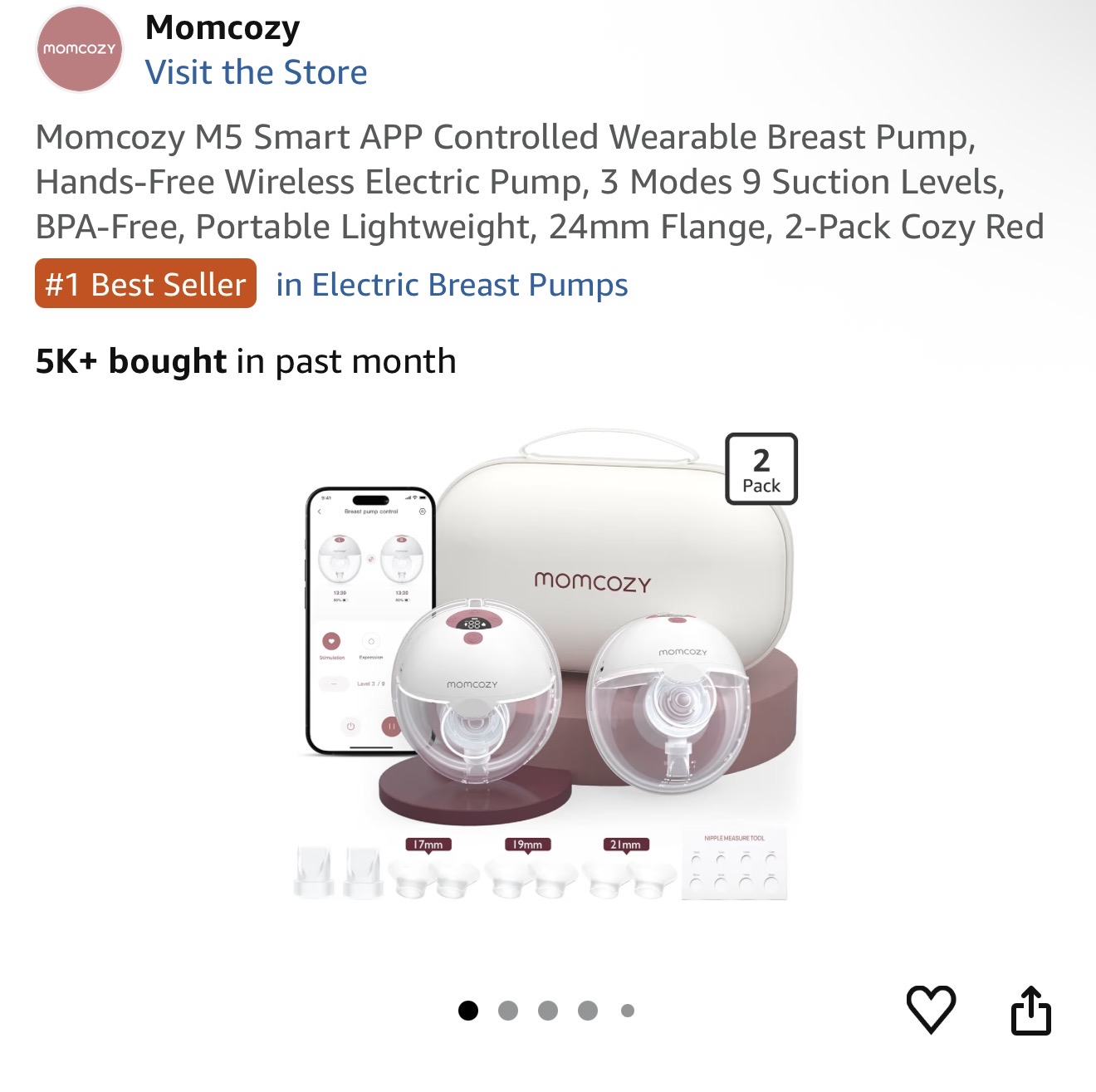
    Useful for stimulating supply if baby is sleepy, not latching well, or if you need additional support in the early days.


    Nipple Cream

    👉 https://amzn.to/4u3V2Ut

    Provides gentle protection and comfort for sensitive skin as your body adjusts to frequent feeding.


    A Brand That Supports Families

    As you prepare for feeding and newborn care, having trusted essentials at home can make a meaningful difference.

    I often recommend EveryLife for families looking for thoughtfully designed, gentle products.

    You can use code: http://EveryLife.com

    NURTUREBYGRACE10

    for 10% off your order.


    Encouragement for the Early Days

    The first weeks can feel uncertain, especially as you learn your baby’s cues and rhythms.

    But your body was created with intention—and your baby is learning alongside you.

    “For you created my inmost being…” — Psalm 139:13

    Trust the design.
    Trust the process.
    You and your baby are building something beautiful together.

    Jessica Azcarraga, RN


    Affiliate Disclosure

    I share products that I truly trust and recommend as a nurse and as someone passionate about supporting families. Some links may be affiliate links, which means I may earn a small commission at no extra cost to you.

    Thank you for supporting Nurture by Grace and allowing me to continue serving families in this space. 🤍

  • The First 24 Hours After Delivery: What New Parents Should Expect

    A nurse’s guide to the first day with your newborn

    The first 24 hours after birth are often described as a blur of emotions, learning, and incredible moments. For many families, this time includes meeting their baby, beginning feeding, and adjusting to the physical recovery after delivery.

    As a Labor & Delivery and postpartum nurse who has spent many years supporting families during this transition, I’ve seen how helpful it is when parents understand what this first day may look like.

    This guide walks through what typically happens during the first 24 hours after birth, along with research-based insight, gentle support, and practical tools that can help new parents feel more prepared.


    The First Hour After Birth: The Golden Hour

    The first hour after delivery is often called the “golden hour.”

    During this time, many hospitals encourage immediate skin-to-skin contact between parent and baby.

    Research referenced by the World Health Organization shows that skin-to-skin contact helps:

    • regulate baby’s body temperature
    • stabilize heart rate and breathing
    • promote early breastfeeding
    • strengthen bonding between parent and baby

    During this time you may notice your baby:

    • looking around quietly
    • making small rooting motions
    • attempting their first feeding

    Even babies born by cesarean section can often experience skin-to-skin contact once both mother and baby are stable.


    The First Feeding

    During the first few hours after birth, many babies show natural feeding instincts.

    These cues may include:

    • turning their head toward the breast
    • opening their mouth
    • sucking on their hands
    • making small sucking motions

    According to the American Academy of Pediatrics, early feeding within the first hour of life supports successful breastfeeding and helps regulate newborn blood sugar.

    Some babies latch quickly, while others take time to learn.

    Both experiences are normal.

    Many hospitals provide lactation support to help parents feel comfortable during this learning process.


    Physical Recovery for Mom

    The first 24 hours are also an important time for a mother’s body to begin healing.

    After delivery, the uterus begins contracting back down to its pre-pregnancy size. These contractions are sometimes called afterpains and may feel similar to mild cramping.

    Common physical experiences during the first day include:

    • vaginal bleeding (called lochia)
    • uterine cramping
    • soreness or swelling in the perineal area
    • fatigue after labor

    Nurses monitor mothers closely during this time to ensure recovery is progressing normally.

    Comfort measures such as rest, hydration, and gentle movement help support healing.


    Baby’s First Assessments

    Newborns receive several important health checks during the first day of life.

    These may include:

    • monitoring breathing and temperature
    • measuring weight and length
    • checking reflexes
    • screening for certain health conditions

    Many hospitals also provide a hearing screening and newborn metabolic screening during the first 24–48 hours.

    These assessments help ensure babies are adjusting well to life outside the womb.


    Sleep in the First 24 Hours

    Many parents are surprised that newborns often sleep quite a bit during the first day.

    Birth is a big transition for babies as well.

    During the first 24 hours, many newborns alternate between:

    • short alert periods
    • feeding attempts
    • long stretches of sleep

    This pattern often changes after the first day, when babies may begin waking more frequently to feed.


    Diaper Changes and Early Output

    In the first 24 hours, newborns usually have at least one wet diaper and one bowel movement.

    The first stool is called meconium, which is thick, dark, and sticky.

    This is completely normal and a sign that the baby’s digestive system is beginning to function.


    Helpful Comfort Tools for the First Day

    A few small items can make the hospital stay more comfortable during those first hours with your newborn.


    Comfortable Postpartum Robe

    • postpartum maternity robe

    https://amzn.to/4tn0WQe

    After delivery, many moms appreciate having a soft robe to wear over their hospital gown.

    This helps provide warmth and comfort while:

    • feeding baby
    • greeting visitors
    • walking around the postpartum room


    Nursing Pillow

    • nursing pillow

    https://amzn.to/4dXFbBT

    A supportive pillow can make feeding more comfortable during the early learning phase.

    These pillows help:

    • position baby at breast level
    • reduce strain on the shoulders and neck
    • support longer feeding sessions

    Many new moms say this is one of their most helpful postpartum tools.


    Insulated Water Bottle

    • insulated water bottle

    https://amzn.to/4m58mFi

    Hydration is extremely important after delivery, especially for breastfeeding mothers.

    Keeping a water bottle nearby helps encourage frequent hydration, which supports recovery and milk production.


    Emotional Changes in the First Day

    The first 24 hours after birth are often filled with many emotions.

    Parents may feel:

    • joy
    • relief
    • exhaustion
    • gratitude
    • sometimes unexpected tears

    Hormonal shifts after birth can create emotional sensitivity, which is completely normal.

    Many parents also feel overwhelmed as they begin caring for their newborn.

    This is where support from nurses, partners, and family members becomes incredibly valuable.

    You are learning something entirely new, and it takes time.


    A Brand Supporting Families

    As someone who has spent many years caring for families during the newborn season, I’m thoughtful about the products and companies I recommend.

    One company whose mission aligns with supporting families is EveryLife.

    Their commitment to valuing life and supporting parents reflects the heart of caring for newborns and families during this special time.

    Postpartum Recovery Support

    During the first 24 hours after delivery, one of the biggest physical adjustments for moms is postpartum bleeding and recovery. Having comfortable, reliable protection can make those first days feel much more manageable.

    One postpartum bundle many moms appreciate includes organic cotton recovery pads paired with supportive period underwear designed for postpartum healing.

    This bundle contains two boxes of heavy-absorbency organic cotton pads and two pairs of brief-style period underwear, designed to work together for maximum comfort and protection during postpartum recovery.

    The period underwear are made with natural, breathable, antibacterial fabric fibers and a seamless design that provides 4-way stretch, allowing the fabric to adjust gently to your body during the early recovery phase.

    They feature:

    • an unscented, moisture-control lining
    • a leak-proof 4-layer gusset
    • soft fabric designed to reduce irritation after delivery
    • a washable, reusable design

    On their own, the underwear provide medium absorbency, but when paired with the heavy-absorbency organic cotton pads, they offer maximum protection during the heavier bleeding days of postpartum recovery.

    Many postpartum nurses recommend this type of layered protection because it helps moms feel more secure while:

    • resting
    • feeding baby
    • walking around the postpartum room
    • adjusting during those first days of recovery

    Comfort and confidence during recovery allow mothers to focus on what matters most — resting, healing, and bonding with their baby.

    If you’re preparing for your postpartum recovery kit, you can explore these essentials through my partnership with EveryLife and use my code:

    NURTUREBYGRACE10

    for 10% off your order.

    EveryLife.com


    Final Encouragement from a Nurse

    The first day with your baby is a moment many parents remember for the rest of their lives.

    In the quiet moments — holding your baby, watching them sleep, listening to their tiny breaths — something sacred unfolds.

    Many parents find comfort remembering this truth:

    “Children are a gift from the Lord.” — Psalm 127:3

    Your baby is a beautiful gift, and the love growing in your heart during these first hours is the beginning of a lifelong journey.

    After many years supporting families during the first hours after birth, one truth stands out clearly:

    You don’t need to have everything figured out on the first day.

    The first 24 hours are about:

    • resting
    • bonding
    • learning your baby
    • asking questions

    Nurses, doctors, and support staff are there to guide you through these first steps.

    And before long, you will begin to find your rhythm as a new parent.

    One feeding, one diaper change, and one cuddle at a time.

    -Jessica Azcarraga 

    This post may contain affiliate links. As an associate with Amazon, I may earn from qualifying purchases at no additional cost to you. I only recommend products I believe are helpful for families.

  • Epidural Myths vs Truth: What an L&D Nurse Wants Moms to Know

    A research-based guide to understanding epidurals during labor

    One of the most common questions expecting parents ask during pregnancy is about epidurals.

    As a Labor & Delivery nurse who has supported families through birth for more than 18 years, I’ve heard many concerns and misconceptions about epidurals. Some moms worry they will lose control during labor, while others wonder if they will still be able to push effectively.

    The truth is that modern epidurals are carefully designed to provide pain relief while still allowing your body to participate in the birth process.

    This guide explains how epidurals work, when they can be used, and what research shows about their effects during labor.


    What an Epidural Actually Does

    An epidural is a type of regional anesthesia that helps reduce pain during labor while allowing the mother to remain awake and alert.

    During the procedure, medication is delivered through a small catheter placed in the lower back near the spinal nerves. This medication blocks many of the pain signals traveling from the uterus to the brain.

    According to the American College of Obstetricians and Gynecologists, epidural anesthesia is considered one of the most effective methods of pain relief during labor.

    Epidurals typically help:

    • reduce contraction pain
    • allow the mother to rest during long labor
    • decrease stress hormones related to pain
    • provide comfort while remaining awake for birth

    Most epidurals use a combination of medications that provide pain relief while preserving some ability to move the legs.

    This balance helps mothers stay involved in the birth process.


    When You Can Get an Epidural

    Many parents believe there is a specific dilation when epidurals must be given, but that is not always the case.

    Research referenced by the World Health Organization suggests that epidurals can be safely administered whenever a laboring mother requests pain relief and active labor has begun, provided there are no medical contraindications.

    In most hospitals, epidurals can be placed when:

    • labor has begun
    • the cervix has started dilating
    • the anesthesiologist is available

    Some mothers choose epidurals early in labor, while others wait until contractions become stronger.

    There is no universal “right time”—the decision depends on the mother’s comfort level and labor progression.


    Movement with an Epidural

    One of the most common misconceptions is that mothers cannot move at all once they receive an epidural.

    In reality, many modern epidurals are “low-dose” epidurals, which provide pain relief while still allowing some movement.

    Many mothers are able to:

    • change positions in bed
    • roll from side to side
    • use peanut balls or support pillows
    • sit upright with assistance

    Nurses often help reposition mothers throughout labor because changing positions can help baby move down the birth canal.

    Some hospitals even encourage assisted movement techniques while epidurals are in place.


    Pushing with an Epidural

    Another common myth is that mothers cannot push effectively with an epidural.

    While epidurals may slightly reduce the sensation of contractions, nurses help guide mothers through the pushing stage by watching the contraction pattern on monitors.

    Research from the National Institutes of Health shows that epidurals may slightly lengthen the pushing stage but do not necessarily increase cesarean birth rates when properly managed.

    During the pushing stage, nurses and providers often:

    • coach breathing and pushing techniques
    • adjust positions to help baby descend
    • allow “laboring down,” where baby moves lower before active pushing begins

    Many mothers successfully deliver vaginally with epidural pain relief.


    Comfort Tools That Still Help During Epidural Labor

    Even with pain relief, many comfort measures can still support the body during labor.

    These tools help promote relaxation and optimal positioning.


    Supportive Pillow or Peanut Ball

    When an epidural is in place, mothers typically remain in bed, but positioning still plays an important role.

    Support pillows or peanut balls help:

    • open the pelvis
    • encourage baby’s descent
    • relieve hip and back pressure

    Labor nurses frequently use these positioning tools to support labor progress.


    Comfortable Warm Socks

    • comfy socks

    https://amzn.to/4sPylDg

    Hospital rooms are often cool, and warm socks help moms stay comfortable during longer labors.

    Small comforts can make a surprising difference during the birth experience.


    Relaxation Tools for Labor

    • labor comfort tools

    https://amzn.to/3O1wTON

    Simple comfort tools like handheld massagers can help relieve tension in the shoulders or lower back during labor.

    Partners often assist with these tools, helping maintain a calming environment.


    Balanced Truth About Epidurals

    After many years working in Labor & Delivery, I’ve seen beautiful birth stories unfold in many different ways.

    Some mothers choose natural coping techniques, while others choose epidural pain relief.

    Both approaches are valid and personal.

    Epidurals can be incredibly helpful for mothers who:

    • have long or exhausting labors
    • need rest before pushing
    • experience intense contractions
    • prefer medical pain relief

    At the same time, some mothers prefer non-medicated labor.

    The most important goal is a safe and supported birth for both mother and baby.


    Supporting Families with Trusted Essentials

    As someone who has spent many years caring for families during pregnancy and birth, I’m thoughtful about the products and brands I recommend.

    One company whose mission resonates with supporting families is EveryLife.

    Their commitment to valuing life and supporting parents aligns beautifully with the work of caring for newborns and families.

    If you’re preparing for baby and stocking up on newborn essentials like diapers and wipes, you can use my code:

    NURTUREBYGRACE10

    to receive 10% off your order.


    Final Thoughts from an L&D Nurse

    Birth is a deeply personal and powerful experience.

    Some moments may feel uncertain or intense, but many families find peace remembering that they are not walking this journey alone.

    “I can do all things through Christ who strengthens me.” — Philippians 4:13

    Whether your birth includes an epidural or unfolds differently than expected, your strength and courage are part of a beautiful story that leads to meeting your baby.

    One thing I’ve learned after supporting thousands of births is this:

    There is no single “perfect” way to give birth.

    Some labors are unmedicated.
    Some include epidurals.
    Some require medical interventions.

    But every birth shares the same extraordinary moment — the first cry, the first breath, and the moment you hold your baby for the first time.

    That moment is what truly matters.

    -Jessica Azcarraga

    This post may contain affiliate links. As an associate with Amazon, I may earn from qualifying purchases at no additional cost to you. I only recommend products I believe are helpful for families.

  • Induction of Labor Explained: What Expecting Parents Should Know

    A research-based guide from an L&D nurse

    Induction of labor is one of the most commonly discussed topics during pregnancy. Many parents feel uncertain when they hear the word “induction,” often wondering what it means for their birth experience.

    As a Labor & Delivery nurse who has worked alongside families for more than 18 years, I’ve supported many mothers through both spontaneous labor and medically induced labor.

    Understanding why inductions happen, how they work, and what to expect can help families approach the process feeling informed and confident.

    This guide explains induction from a medical and nursing perspective, while also offering encouragement for parents preparing for birth.


    What Is Labor Induction?

    Labor induction is when healthcare providers use medical methods to start labor instead of waiting for labor to begin naturally.

    According to the American College of Obstetricians and Gynecologists, induction is recommended when continuing pregnancy may pose greater risks than delivering the baby.

    Induction is common and carefully managed in modern maternity care.

    Many parents still go on to have healthy vaginal births following induction.


    Why Inductions Happen

    There are several reasons your care provider may recommend induction.

    The goal is always the same: protecting the health of both mother and baby.

    Common medical reasons include:

    Pregnancy Beyond Due Date

    Pregnancies that continue past 41–42 weeks may carry increased risks for the baby, including decreased placental function.

    Research cited by the World Health Organization suggests induction may reduce certain complications when pregnancy continues significantly past the due date.


    High Blood Pressure or Preeclampsia

    Conditions such as gestational hypertension or preeclampsia can affect the mother’s health and blood flow to the placenta.

    In these situations, delivering the baby may be the safest option.


    Concerns About Baby’s Growth

    If monitoring suggests baby is not growing as expected, providers may recommend induction to ensure baby receives proper care after birth.


    Ruptured Membranes Without Labor

    Sometimes a mother’s water breaks but contractions do not begin.

    To reduce infection risk, providers may recommend induction if labor does not start naturally within a certain timeframe.


    Maternal Medical Conditions

    Certain health conditions may also lead providers to recommend induction, including:

    • diabetes
    • kidney disease
    • certain heart conditions

    Your care provider will discuss the specific reasons if induction is recommended.


    Common Methods Used for Induction

    Induction can involve several methods depending on how ready the cervix is for labor.

    Often, labor begins with cervical ripening, which helps soften and open the cervix before stronger contractions begin.


    Cervical Ripening Medications

    Medications may be used to soften and prepare the cervix.

    These medications mimic natural hormones that help the cervix become more favorable for labor.

    Nurses closely monitor both mother and baby during this process.


    Mechanical Dilators

    Small balloon-like devices may be placed in the cervix to help it gently open.

    This method uses gentle pressure to encourage dilation.


    Breaking the Water (Amniotomy)

    Once the cervix has opened enough, providers may break the amniotic sac.

    This can sometimes help labor progress.


    Contraction-Stimulating Medication

    A medication commonly used during induction stimulates the uterus to begin regular contractions.

    The dosage is carefully adjusted while nurses monitor both mom and baby.


    Realistic Timelines for Induction

    One of the most important things parents should understand about induction is that it often takes time.

    Unlike spontaneous labor, induction may unfold gradually.

    For first-time mothers especially, the process can take 12–36 hours or sometimes longer.

    This can include:

    • cervical ripening
    • early contractions
    • active labor
    • pushing and delivery

    From a nursing perspective, patience is incredibly important during this process.

    The body still needs time to prepare for birth, even when medical support is used.


    Comfort During Induction

    While induction may involve medical support, there are still many ways to remain comfortable and supported during labor.

    Movement, positioning, and relaxation techniques can all help manage contractions.

    Below are a few comfort tools many moms find helpful.


    Helpful Comfort Tools During Induction

    Labor often involves changing positions in bed, especially if monitoring equipment is being used.

    Extra Supportive pillows can help:

    • relieve back pressure
    • support hips and knees
    • allow more comfortable side-lying positions

    Position changes can also help baby move lower into the pelvis.


    Comfortable Warm Socks

    •  comfy socks

    https://amzn.to/4sWXU56

    Hospital rooms can often feel cool, and warm socks help moms stay comfortable while resting or walking.

    Comfort matters during labor, especially during longer inductions.


    Labor Comfort Tools

    • induction comfort tools

    https://amzn.to/486orEO

    Many moms find comfort using small tools such as massage rollers or handheld massagers during contractions.

    These can help relieve tension in the lower back and shoulders.

    Partners often assist with these techniques as well.


    How to Mentally Prepare for Induction

    For some parents, hearing that labor will be induced can bring unexpected emotions.

    It’s completely normal to feel:

    • disappointed if birth plans change
    • nervous about the process
    • uncertain about what to expect

    One thing I often remind families as a nurse is this:

    Birth plans are helpful guides, but flexibility is part of the journey.

    Induction simply means your care team is helping support your body through labor when additional assistance is needed.

    Many beautiful birth stories begin with induction.


    A Brand Supporting Families

    As someone who has spent many years caring for families during pregnancy and birth, I’m thoughtful about the products and companies I recommend.

    One company whose mission aligns with supporting families is EveryLife.

    Their commitment to valuing life and supporting parents reflects the heart behind caring for families during the newborn season.

    If you’re preparing for baby and stocking up on newborn essentials like diapers and wipes, you can use my code:

    NURTUREBYGRACE10

    for 10% off your order. 

    EveryLife.com


    Final Thoughts from an L&D Nurse

    Sometimes birth unfolds differently than we imagined.

    But even when plans change, the purpose remains the same: bringing your baby safely into the world.

    Many families find peace remembering this promise:

    “Trust in the Lord with all your heart and lean not on your own understanding.” — Proverbs 3:5

    Even when the path looks different than expected, you are still walking toward the same beautiful destination — meeting your baby.

    Induction of labor is simply one of many ways the medical team may help guide the birth process safely.

    Whether labor begins naturally or with support, what matters most is the health and well-being of both mother and baby.

    After many years in Labor & Delivery, I can tell you this with confidence:

    Every birth story is unique, but each one carries the same powerful moment — the first cry, the first breath, and the first time you hold your baby.

    And that moment makes every step of the journey worthwhile.

    -Jessica Azcarraga

    This post may contain affiliate links. As an associate with Amazon, I may earn from qualifying purchases at no additional cost to you. I only recommend products I believe are helpful for families.

  • 10 Signs Labor Is Approaching (From an L&D Nurse)

    A research-based guide to help expecting parents recognize the body’s preparation for birth

    As a Labor & Delivery nurse who has supported families for more than 18 years, one of the most common questions I hear from expectant moms is:

    “How will I know when labor is getting close?”

    The truth is that the body often gives several signals in the days or weeks before labor begins. These signs are your body’s way of gradually preparing for birth.

    Some women notice several signs, while others experience only a few. Every pregnancy is unique.

    This guide walks through 10 common signs labor may be approaching, along with practical insight from the bedside to help you feel more prepared.


    1. Baby “Drops” Lower into the Pelvis

    Many mothers notice their baby moving lower into the pelvis in the final weeks of pregnancy. This is often called “lightening.”

    When baby settles deeper into the pelvis, moms may notice:

    • easier breathing
    • increased pelvic pressure
    • more frequent urination
    • a visible lower belly shape

    Research cited by the American College of Obstetricians and Gynecologists explains that this downward movement helps baby position for birth.

    While it doesn’t mean labor will start immediately, it is a sign that the body is preparing.


    2. Stronger Braxton Hicks Contractions

    Braxton Hicks contractions are often called practice contractions.

    In the final weeks before labor, these contractions may:

    • become stronger
    • occur more frequently
    • feel more uncomfortable than before

    Unlike true labor contractions, Braxton Hicks contractions often:

    • stop with rest
    • ease with hydration
    • vary in timing

    However, they are still helping the uterus prepare for labor.


    3. Loss of the Mucus Plug

    The mucus plug is a protective barrier that seals the cervix during pregnancy.

    As the cervix begins to soften and open, this plug may be released.

    It may appear as:

    • thick discharge
    • clear, pink, or slightly blood-tinged mucus

    Some women notice this days before labor begins, while others experience it closer to active labor.


    4. “Bloody Show”

    A small amount of pink or brown-tinged discharge can occur when the cervix begins to change.

    This is often called bloody show and happens because small blood vessels break as the cervix softens and dilates.

    According to guidance referenced by the World Health Organization, this can be a normal sign that labor may begin soon.


    5. Nesting Energy

    Many mothers experience a sudden burst of energy shortly before labor begins.

    You may find yourself wanting to:

    • organize baby clothes
    • clean the house
    • prepare meals
    • finish last-minute tasks

    This instinctive preparation is often referred to as nesting.

    While science hasn’t fully explained the reason, many nurses observe this burst of energy in the days leading up to labor.


    6. Increased Pelvic Pressure

    As baby moves deeper into the pelvis, moms often notice increased pressure.

    This may feel like:

    • heaviness in the pelvis
    • increased discomfort when walking
    • pressure in the lower back

    This pressure is usually a sign that baby is moving into position for birth.


    7. Lower Back Pain

    Some mothers experience persistent lower back pain as labor approaches.

    This may occur when baby’s head presses against nerves in the lower spine.

    Back discomfort may come and go or remain constant.

    Warmth and gentle movement can often help relieve this discomfort.

    *Heating pad for lower back comfort

    https://amzn.to/4v3IoWH

    Warm compresses help relax muscles and increase blood flow, which many moms find soothing in late pregnancy.


    8. Changes in Bowel Movements

    Many women notice digestive changes in the day or two before labor begins.

    Hormones that prepare the body for birth can also stimulate the digestive system, which may lead to:

    • looser stools
    • mild stomach cramping

    This is a normal way the body naturally prepares for labor.


    9. Your Water Breaks

    When the amniotic sac ruptures, fluid is released.

    This can happen in different ways:

    • a sudden gush of fluid
    • a slow trickle
    • intermittent leaking

    Contrary to what movies show, only about 10–15% of women experience water breaking before labor contractions begin.

    If your water breaks, it is important to contact your healthcare provider or go to the hospital.


    10. Regular, Increasing Contractions

    The clearest sign labor has begun is regular contractions that become stronger and closer together.

    True labor contractions typically:

    • last about 60 seconds
    • occur every 3–5 minutes
    • continue even with rest or position changes

    Many providers recommend the 5-1-1 rule:

    • contractions every 5 minutes
    • lasting 1 minute each
    • for 1 hour

    This is often when it’s time to head to the hospital.


    Helpful Comfort Tools for Early Labor

    Early labor often happens at home, and having a few comfort tools available can help moms stay relaxed and comfortable.

    Birth Ball

    • Birthing ball 

    https://amzn.to/4v3IzBl

    Birth balls allow gentle rocking and movement that may help:

    • reduce lower back pressure
    • encourage baby’s positioning
    • support pelvic opening

    Many hospitals use these during labor because movement can support labor progression.


    Comfortable Maternity Robe

    • Maternity robe

    https://amzn.to/3NSbCHs

    A soft robe can make early labor at home more comfortable and provides easy mobility for walking, stretching, or resting.


    Hospital Bag Essentials

    Packing a hospital bag early helps parents feel prepared once labor begins.

    Common items include:

    • comfortable socks
    • long phone charger
    • lip balm
    • nursing bra
    • baby going-home outfit

    Being prepared can help reduce anxiety when the time comes to head to the hospital.


    Supporting Families with Trusted Essentials

    As someone who has worked alongside families during pregnancy and birth for many years, I’m always thoughtful about the products I recommend.

    One company whose mission aligns beautifully with supporting families is EveryLife.

    Their commitment to supporting families and valuing life reflects the heart of what many parents experience as they prepare to welcome their baby.

    If you’re preparing for baby and stocking up on essentials like diapers and wipes, you can use my code:

    NURTUREBYGRACE10

    to receive 10% off your order.

    EveryLife.com


    Final Thoughts from an L&D Nurse

    Preparing for labor can bring a mixture of excitement and anticipation.

    Many parents find peace in remembering that their baby’s story is already known and loved.

    “For you created my inmost being; you knit me together in my mother’s womb.” — Psalm 139:13

    Your baby has been beautifully and intentionally formed.

    As labor approaches, know that your body was designed with incredible wisdom, and you are not walking this journey alone.

    One of the most important things I’ve learned after years in Labor & Delivery is this:

    Every labor journey looks different.

    Some moms experience many early signs, while others move into labor with little warning.

    Both are completely normal.

    Trust your instincts, stay connected with your care team, and take each step one moment at a time.

    Soon, all of these signs will lead to the most beautiful moment of all — meeting your baby for the first time. 🤍

    -Jessica Azcarraga

    This post may contain affiliate links. As an associate with Amazon, I may earn from qualifying purchases at no additional cost to you. I only recommend products I believe are helpful for families.

  • Partner’s Guide to Supporting During Labor

    A nurse’s perspective on how partners can make a powerful difference during birth

    One of the most beautiful parts of birth that I’ve witnessed over my 18+ years as a Labor & Delivery nurse is the role of the partner in the room.

    Partners often arrive wanting to help but unsure what their role should actually look like during labor.

    The truth is that supportive partners can have a meaningful impact on a mother’s labor experience. Research shows that continuous support during labor improves both emotional and physical outcomes for mothers.

    According to the World Health Organization, women who receive continuous support during labor often experience:

    • shorter labors
    • decreased need for medical interventions
    • higher satisfaction with their birth experience

    Your presence, encouragement, and calm support matter more than you may realize.

    Let’s walk through what partners can expect and how you can best support the mother of your baby during labor.


    What Partners Should Expect During Labor

    Labor can be both an exciting and emotional experience for partners.

    Many partners expect labor to follow a clear timeline, but in reality, labor often unfolds gradually and unpredictably.

    Early labor can last many hours and sometimes even a full day, especially for first-time mothers.

    During this time, you may notice your partner experiencing:

    • contractions that come and go
    • back discomfort
    • restlessness or fatigue
    • emotional highs and lows

    As labor progresses, contractions typically become stronger and closer together.

    During active labor, many mothers focus intensely on breathing and coping with contractions, which is when your steady presence becomes especially important.

    Partners often support by:

    • helping mom change positions
    • offering water or ice chips
    • providing physical comfort
    • speaking words of encouragement

    You do not need to have all the answers. Simply being present and attentive is one of the most powerful ways to help.


    How to Provide Counter Pressure During Labor

    One of the most helpful comfort techniques partners can learn is counter pressure.

    Counter pressure involves applying firm pressure to the lower back during contractions. This technique is especially helpful when mothers experience back labor, which happens when the baby’s head presses against the mother’s spine.

    Research supported by the American College of Obstetricians and Gynecologists notes that non-medication comfort techniques such as massage and pressure therapy can improve coping and relaxation during labor.

    To provide counter pressure:

    1. Place the heel of your hand or a massage tool on the lower back.
    2. Apply steady pressure during the contraction.
    3. Release the pressure when the contraction ends.

    Many moms describe this as one of the most relieving forms of support during contractions.

    Helpful Tool for Counter Pressure

    • labor massage roller

    https://amzn.to/4sMSrOw

    A small massage roller or handheld tool can make it easier to apply steady pressure for longer periods without tiring your hands.

    Many partners find these tools especially helpful during longer labors.


    Ways to Encourage Mom During Contractions

    Labor can be intense both physically and emotionally. During contractions, moms often benefit from simple encouragement and calm reassurance.

    Partners often wonder what to say in those moments.

    Here are a few phrases nurses often hear that truly help:

    • “You’re doing amazing.”
    • “I’m right here with you.”
    • “One contraction at a time.”
    • “You’re getting closer to meeting our baby.”

    Even simple eye contact and holding her hand can help her stay grounded through each contraction.

    Research from the National Institutes of Health has shown that emotional support during labor can help reduce anxiety and improve a mother’s ability to cope with contractions.

    Sometimes your calm voice becomes the anchor she focuses on during labor.


    Staying Prepared and Hydrated

    Labor can last several hours, and partners sometimes forget to take care of themselves as well.

    Remaining hydrated and nourished helps you stay energized so you can continue supporting your partner throughout labor.

    Helpful Partner Essentials

    Staying hydrated during long hours in the labor room helps partners remain focused and present.

    Packing snacks for partners is something nurses often recommend because hospital cafeterias may close overnight, and labor does not follow a schedule.

    Easy snacks like protein bars, trail mix, and crackers can help partners maintain energy during long labor hours.


    Communicating with Nurses and Doctors

    Partners often play an important role in helping communicate with the care team.

    During active labor, mothers are usually focused on breathing and coping with contractions. Partners can help by:

    • asking questions about procedures
    • helping clarify the birth plan
    • sharing mom’s preferences with staff
    • requesting comfort support when needed

    Nurses are there to support the entire family.

    Never hesitate to ask questions like:

    • “What stage of labor is she in?”
    • “Are there position changes that might help?”
    • “Is there anything we can do to help labor progress?”

    Your care team wants you to feel informed and involved throughout the process.


    A Mission That Supports Families

    As a nurse who has spent years supporting families during the birth journey, I’m thoughtful about the brands and products I recommend.

    One company whose mission resonates deeply with my heart for families is EveryLife.

    Their commitment to supporting families and valuing every life aligns beautifully with the work we do every day in maternity care.

    If you are preparing for your baby and stocking up on newborn essentials like diapers and wipes, you can use my code:

    NURTUREBYGRACE10

    to receive 10% off your order.

    EveryLife.com


    Faith Encouragement for the Birth Journey

    Birth is a powerful moment not only for mothers but for partners as well.

    Supporting someone you love through labor takes patience, strength, and compassion.

    Many families find comfort in remembering that they are not walking this journey alone.

    One scripture that many parents hold close during birth is:

    “Be strong and courageous. Do not be afraid; do not be discouraged, for the Lord your God will be with you wherever you go.” — Joshua 1:9

    Your presence in the room is meaningful. Your support matters more than you may realize.


    Final Thoughts from an L&D Nurse

    Birth is a powerful moment not only for mothers but for partners as well.

    Supporting someone you love through labor takes patience, strength, and compassion.

    Many families find comfort in remembering that they are not walking this journey alone.

    One scripture that many parents hold close during birth is:

    “Be strong and courageous. Do not be afraid; do not be discouraged, for the Lord your God will be with you wherever you go.” — Joshua 1:9

    Your presence in the room is meaningful. Your support matters more than you may realize.

    After many years working alongside laboring families, one thing is always clear:

    Partners play an incredibly important role in the birth experience.

    You don’t need to be perfect or have all the answers.

    Sometimes the most powerful support is simply:

    • holding her hand
    • speaking encouragement
    • staying calm during contractions
    • reminding her she is not alone

    Together, you are stepping into one of the most meaningful moments of your lives — welcoming your baby into the world.

    And that journey begins with showing up for each other. 🤍

    -Jessica Azcarraga, RN

    This post may contain affiliate links. As an associate with Amazon, I may earn from qualifying purchases at no additional cost to you. I only recommend products I believe are helpful for families.

  • Preparing for Labor: What Every Mom Should Know Before Labor Begins

    A guide from an L&D nurse with 18+ years at the bedside

    Preparing for labor can feel both exciting and overwhelming. After supporting families through birth for nearly two decades as a Labor & Delivery nurse, I’ve learned that the most confident parents are usually the ones who understand what their body may experience before labor truly begins.

    This guide will walk you through the key things I wish every mom understood before labor starts — from recognizing early signs to knowing when to head to the hospital.

    My goal is to help you feel calm, informed, and supported as you prepare to welcome your baby.


    Understanding Early Labor vs Active Labor

    One of the most common questions parents ask is:

    “How will I know if I’m really in labor?”

    Labor generally happens in two early phases: early labor and active labor.

    According to the American College of Obstetricians and Gynecologists, early labor is when the cervix begins to soften and open gradually, often progressing from 0–6 centimeters of dilation.

    During early labor you may notice:

    • irregular contractions
    • contractions that come and go
    • mild back discomfort
    • difficulty sleeping
    • pressure in the pelvis

    Early labor can last many hours — sometimes even a full day for first-time mothers.

    Active labor usually begins when the cervix reaches about 6 centimeters dilation, and contractions become:

    • stronger
    • longer
    • closer together
    • more difficult to talk through

    This is typically when most hospitals recommend coming in.

    As nurses often say:

    Early labor is the body warming up for the marathon of birth.


    Signs Labor May Be Starting

    Your body often gives several clues that labor is approaching.

    Common signs include:

    Regular Contractions

    True labor contractions typically:

    • become stronger over time
    • occur at regular intervals
    • continue even when resting or changing positions

    Loss of the Mucus Plug

    Some women notice thick discharge that may appear clear, pink, or slightly bloody. This can happen days before labor begins.

    Water Breaking

    When the amniotic sac ruptures, fluid may release in a gush or a slow trickle.

    Research from the World Health Organization shows that most women begin contractions within 24 hours after the water breaks.

    Lower Back Pain or Pelvic Pressure

    Some mothers experience labor beginning with strong back discomfort, especially if baby is positioned facing upward.


    When to Go to the Hospital

    Many hospitals recommend the 5-1-1 guideline.

    This means contractions are:

    5 minutes apart
    lasting 1 minute each
    for at least 1 hour

    However, there are situations when you should call your provider or go in sooner:

    • your water breaks
    • decreased baby movement
    • heavy bleeding
    • intense pain that feels unusual
    • high-risk pregnancy concerns

    Your healthcare provider may also give you specific guidance depending on your pregnancy.


    Managing Early Labor at Home

    One of the most helpful things parents can do is stay comfortable and relaxed during early labor.

    Many nurses encourage moms to rest, hydrate, and move gently during this stage.

    Here are a few tools that many families find helpful.

    Helpful Comfort Tools for Early Labor

    *Birthing ball

    https://amzn.to/4dt0Sd3

    A birth ball is one of the simplest but most effective tools during early labor.

    Many labor nurses encourage gentle movement because gravity and motion help baby move lower into the pelvis, which can support labor progression.

    Sitting or rocking on a birth ball can:

    • reduce pressure on the lower back
    • encourage pelvic opening
    • help baby rotate into a favorable position for birth
    • provide gentle movement during contractions

    Research published by National Institutes of Health suggests that upright positioning and movement during labor may help shorten labor and improve maternal comfort.

    Many hospitals even provide birth balls in labor rooms because they are so beneficial.

    *Heating pad

    https://amzn.to/4s8wxUG

    Lower back discomfort is very common in early labor, especially if baby is positioned facing upward (often called posterior positioning).

    Warm compresses or heating pads can help by:

    • relaxing tight muscles in the lower back
    • increasing blood flow to the area
    • reducing tension during contractions

    Studies on labor comfort methods referenced by the American College of Obstetricians and Gynecologists show that non-medication comfort techniques like heat therapy can improve pain coping and relaxation during early labor.

    Many moms describe heat on their back as one of the most soothing sensations during contractions.

    Maternity Robe

    https://amzn.to/4vbR4dR

    Comfortable clothing during early labor can make a surprising difference.

    Labor often involves movement, walking, resting, and changing positions, and loose clothing helps support that flexibility.

    A soft maternity robe is helpful because it:

    • allows easy movement during contractions
    • provides warmth and comfort
    • makes breastfeeding easier after birth
    • allows quick access for medical monitoring if needed

    Many moms also appreciate having something soft and familiar instead of only wearing a hospital gown.

    Feeling comfortable and relaxed can help reduce stress hormones, which may support smoother labor progression.

    *Hospital bag Essentials

    Packing your hospital bag ahead of time can reduce anxiety when labor begins.

    After many years in Labor & Delivery, nurses often notice that moms feel calmer when they bring a few personal comfort items.

    Helpful hospital bag items include:

    • a long phone charger
    • lip balm
    • comfortable socks
    • snacks for your partner
    • a supportive nursing bra

    These small comforts help create a more peaceful environment during labor and recovery.

    Being prepared also allows parents to focus on the birth experience rather than worrying about forgotten items.


    Nurse Insights from the Delivery Room

    After assisting with thousands of births, there are a few things nurses quietly wish every mom knew.

    Labor rarely follows a perfect timeline

    Movies often show labor happening quickly, but real labor often unfolds gradually.

    Patience is often part of the process.

    Movement helps labor progress

    Walking, rocking on a birth ball, and changing positions can encourage baby to move lower in the pelvis.

    Hydration and rest matter

    Even small breaks to drink fluids or nap between contractions can help preserve your energy for later stages of labor.

    Your care team is there to support you

    Nurses, midwives, and doctors are all working toward the same goal:

    A healthy mom and a healthy baby.

    Never hesitate to ask questions or share concerns.


    Supporting Families with Trusted Products

    As a nurse and educator supporting families through pregnancy and postpartum, I’m always thoughtful about the products I recommend.

    One brand whose mission aligns beautifully with supporting families is EveryLife.

    Their focus on valuing life and supporting parents during the newborn season resonates deeply with my heart for this work.

    If you’re preparing for baby and stocking up on essentials like diapers and wipes, you can use my code:

    NURTUREBYGRACE10

    to receive 10% off your order.

    Everylife.com


    Final Encouragement from an L&D Nurse

    Birth is a powerful and sacred moment.

    It is a time when strength, courage, and love all come together as families welcome new life.

    Many parents find peace holding onto this truth:

    “For you created my inmost being; you knit me together in my mother’s womb.” — Psalm 139:13

    Your baby’s story has been known and loved long before this moment.

    As labor begins, remember that your body was thoughtfully designed, and you are supported every step of the way.

    As you prepare for labor, remember this:

    You do not need to have everything perfectly planned.

    Birth often unfolds in ways we cannot fully predict, but every contraction brings you one step closer to meeting your baby.

    Trust your body.
    Lean on your support team.
    And allow yourself to step into this moment with courage and hope.

    You are stronger than you may realize.

    -Jessica Azcarraga

    This post may contain affiliate links. As an associate with Amazon, I may earn from qualifying purchases at no additional cost to you. I only recommend products I believe are helpful for families.

  • Diapering Must-Haves: A Nurse’s Guide to Newborn Care

    Newborn diapering is one of the most frequent parts of caring for your baby. In the early weeks, most newborns go through 8–12 diapers per day, which means you may be changing diapers every 2–3 hours.

    While it may feel like a simple task, diapering is also an important way to:

    • monitor your baby’s health
    • prevent skin irritation
    • bond with your baby through gentle care

    As a postpartum nurse, I often remind parents that diaper changes are more than just routine — they are moments of connection, observation, and nurturing care.


    What’s Normal in the Early Days

    In the first few days after birth, diaper patterns can actually tell us a lot about how a baby is doing.

    Wet Diapers

    A general guideline many providers use:

    • Day 1: at least 1 wet diaper
    • Day 2: at least 2 wet diapers
    • Day 3: at least 3 wet diapers
    • By Day 4–5: 6+ wet diapers daily

    This progression helps indicate that baby is feeding well and staying hydrated.


    Dirty Diapers

    Newborn stools change quickly in the first week:

    • First days: dark, sticky meconium
    • Transition stools: greenish/brown
    • After milk intake increases: yellow, seedy stools (especially in breastfed babies)

    These changes are a normal part of your baby’s adjustment after birth.


    Protecting Your Baby’s Skin

    Newborn skin is delicate and still developing its protective barrier.

    Research shows that frequent diaper exposure to moisture can increase the risk of irritation and diaper rash, especially in the early weeks when babies stool often.

    Gentle care can help protect baby’s skin:

    • change diapers frequently
    • allow skin to dry before putting on a new diaper
    • use barrier creams when needed
    • avoid harsh wipes if irritation occurs


    Diapering Essentials Every Parent Should Have

    Having the right tools nearby can make diaper changes smoother, especially during nighttime or when you’re away from home.


     Changing Pad

    A wipeable changing pad creates a clean, comfortable surface for diaper changes anywhere in your home.

    Many parents like having one in multiple areas (nursery, living room) to

     make diapering more convenient.

    A waterproof surface also makes cleanup quick and easy after messy changes.

    👉 Waterproof Changing Pad

    https://amzn.to/4uBbNax


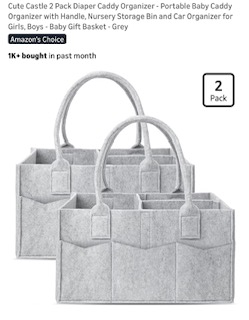
     Diaper Caddy

    A diaper caddy keeps all your essentials in one place so you’re not searching for supplies during a diaper change.

    Parents often include:

    • diapers
    • wipes
    • diaper cream
    • extra clothes
    • burp cloths

    This is especially helpful for creating a portable diapering station around the home.

    👉 Diaper Organizer Caddy

    https://amzn.to/478I7HH


     Diaper Rash Cream

    Diaper rash is common in newborns, especially as their skin adjusts to moisture and frequent stooling.

    A gentle barrier cream can help protect the skin by creating a layer between the skin and moisture.

    Look for products with simple, soothing ingredients that support skin healing.

    👉 Natural Diaper Rash Cream

    https://amzn.to/4bf9e6q


    Portable Changing Pad

    When leaving the house, having a portable changing pad makes diaper changes much easier and more sanitary.

    These pads provide a clean surface whether you are:

    • visiting family
    • running errands
    • traveling

    They are also helpful for keeping diaper bags organized.

    👉 Affiliate Link: Travel Changing Pad

    https://amzn.to/4rEeDsH

    A Brand I Trust for Diapering: EveryLife

    As a nurse and a mom, I’m always mindful about what touches a newborn’s skin—especially during something as frequent as diapering.

    That’s why I want to share a brand I personally feel good about recommending: EveryLife.

    EveryLife offers premium diapers and wipes designed with both quality and purpose in mind. Their products are made to be gentle on sensitive newborn skin while also supporting families in a meaningful way through their mission.

    What makes them stand out is not just the product itself, but the heart behind it—serving families and valuing every stage of life.


    Why I Recommend Them

    From a nursing perspective, here are a few things I look for in diapering products:

    • gentle on newborn skin
    • reliable absorbency
    • minimal irritation risk
    • quality materials for frequent use

    EveryLife diapers and wipes align with these needs, especially during the early weeks when babies are going through frequent changes and their skin is still adjusting.


    A Simple Way to Save

    If you’re preparing for your baby or stocking up on essentials, you can use my code:

    NURTUREBYGRACE10 for an extra 10% off.

    👉 This is a simple way to try products that are both practical for everyday use and aligned with a meaningful mission.

    https://everylife.com/?srsltid=AfmBOorB30dwbkBjZX7Ez1kHD7ucuJzN59vujmn8I1PfIhU4SK5RgdsP


    A Thoughtful Addition to Your Diapering Routine

    Whether you’re building your diapering station or preparing your hospital bag, having trusted products on hand can make daily care feel just a little easier.

    And as always, choose what works best for your baby and your family.

    As you make decisions for your baby—big and small—remember that your care, attention, and love matter far more than any single product.

    You are thoughtfully providing for your baby, and that alone is something truly meaningful.


    A Gentle Rhythm for Diapering

    Many parents find it helpful to combine diaper changes with feeding times.

    A simple rhythm can look like:

    • change diaper before feeding
    • feed baby
    • burp and settle

    This can help keep baby more comfortable during feeds and may reduce interruptions afterward.


    When to Watch More Closely

    While most diaper changes are routine, there are times to reach out to your pediatrician.

    Contact your provider if you notice:

    • significantly fewer wet diapers
    • blood in stool
    • persistent diarrhea
    • severe diaper rash that does not improve
    • signs of dehydration

    These signs may need medical guidance.


    Nurturing Moments in the Everyday

    It’s easy to see diapering as just another task in a long list of things to do.

    But as a nurse, I’ve witnessed how these small, repeated moments become part of a deeper connection between parent and baby.

    During diaper changes, your baby:

    • hears your voice
    • feels your gentle touch
    • begins to recognize your care

    These simple acts build trust, comfort, and security.


    Encouragement for Parents

    In the quiet, everyday moments of caring for your baby — even in something as simple as a diaper change — there is purpose.

    You are meeting your baby’s needs with love, patience, and presence.

    “Let all that you do be done in love.” — 1 Corinthians 16:14

    Even the smallest acts of care are meaningful.

    As you tend to your baby day after day, you are creating a foundation of love and security that will grow with them.


    Final Thoughts

    Diapering may feel repetitive in the newborn stage, but it is also an important part of caring for your baby’s health and comfort.

    With a few simple tools and a gentle approach, these daily moments can become a natural rhythm in your routine.

    Give yourself grace as you learn. You are doing important, meaningful work in caring for your baby.


    This post may contain affiliate links. As an associate with Amazon, I may earn from qualifying purchases at no additional cost to you. I only recommend products I believe are helpful for families.

  • The Ultimate New Mom Feeding Station Setup (Nurse Approved)

    When a new baby arrives, feeding quickly becomes one of the most frequent activities in the home. In the early weeks, newborns typically feed 8–12 times every 24 hours, which means parents may spend several hours each day feeding their baby.

    As a Labor & Delivery and Postpartum nurse, one of the practical tips I often share with new parents is this:

    Create a simple feeding station before baby arrives.

    Having a small, organized space with the items you need can make those early weeks much smoother—especially during late-night feeds when everyone is tired.

    In this guide, I’ll walk you through how to create a comfortable, functional feeding station that helps make feeding time easier for both parents and baby.


    Why a Feeding Station Helps New Parents

    The newborn phase involves frequent feeding, burping, diaper changes, and soothing. When supplies are scattered around the house, parents often find themselves searching for items while holding a hungry baby.

    A dedicated feeding station keeps everything within arm’s reach.

    Benefits of a feeding station include:

    • Less stress during nighttime feeds
    • Easier access to burp cloths and supplies
    • More comfortable positioning for parents
    • A calm, consistent space for feeding

    Many parents create a feeding station near the couch, bed, or nursery chair where they expect to feed most often.


    Step 1: Choose a Comfortable Feeding Spot

    The foundation of a good feeding station is a comfortable place to sit.

    Look for a space where you can:

    • sit with good back support
    • place items nearby on a table or cart
    • easily reach your baby’s supplies

    Many parents choose:

    • a nursery glider
    • a supportive armchair
    • a comfortable couch

    👉 Nursery glider or rocking chair

    https://amzn.to/4sOHhZ4

    A supportive chair can make long feeding sessions much more comfortable.


    Step 2: Add a Nursing Pillow

    Positioning is one of the biggest challenges parents face during feeding.

    A nursing pillow can help bring baby up to the right height, which reduces strain on the arms, shoulders, and neck.

    Many moms find a nursing pillow especially helpful during the early weeks while both baby and parent are learning feeding positions.

    👉 Nursing Pillow 

    https://amzn.to/3PghdaM


    Step 3: Keep Burp Cloths Nearby

    Newborns often spit up small amounts of milk during or after feeding. This is completely normal, but it can happen frequently.

    Having several burp cloths within reach helps keep clothing and furniture clean.

    Soft muslin cloths are a popular choice because they are absorbent and gentle on newborn skin.

    👉 Muslin Burp Cloth Set

    https://amzn.to/4boJOSB

    A small basket or caddy can keep them organized.


    Step 4: Create a Small Supply Basket

    A simple basket or diaper caddy can hold the items you use most often during feeds.

    Parents often include:

    • burp cloths
    • nursing pads
    • pacifiers
    • small blanket
    • extra onesie

    Keeping these items together helps avoid getting up repeatedly during feeds.

    👉 Diaper Caddy Organizer

    https://amzn.to/4bv6lNC


    Step 5: Set Up Bottle Feeding Supplies (If Needed)

    Even breastfeeding families often appreciate having a few bottles available.

    A nearby space in the kitchen or feeding area can help organize:

    • bottles
    • nipples
    • pump parts
    • bottle brushes

    After washing, bottles need a clean place to dry.

    👉 Bottle Drying Rack

    https://amzn.to/4cRF4r3

    This keeps feeding supplies sanitary and organized.


    Step 6: Add Soft Lighting for Night Feeds

    Bright overhead lights can wake both parents and baby fully during nighttime feeds.

    A dim night light allows parents to see what they’re doing while maintaining a calm environment.

    Soft lighting can help babies settle back to sleep more easily after feeding.

    👉 Soft Night Light 

    https://amzn.to/4cRF4r3


    Step 7: Keep Water and Snacks Nearby

    Feeding can be surprisingly time-consuming, especially for breastfeeding mothers who may feel thirsty or hungry during feeds.

    Many parents find it helpful to keep:

    • a large water bottle
    • easy snacks
    • granola bars or trail mix

    near their feeding station.

    👉 Large Insulated Water Bottle

    https://amzn.to/3NHViZF

    Staying hydrated is especially important for breastfeeding mothers.


    Step 8: Have a Phone Charger Within Reach

    This may sound simple, but it’s one of the most appreciated feeding station items.

    Many parents use their phone during feeds to:

    • track feeding times
    • read or listen to podcasts
    • connect with friends or support

    A long charging cable ensures your phone stays powered during long feeding sessions.

    👉 10-Foot Phone Charger

    https://amzn.to/4uyYqrq


    Quick Feeding Station Checklist

    Here’s a simple checklist many parents find helpful when preparing their space.

    Nurse-Recommended Feeding Station Essentials

    • Comfortable chair or glider
    • Nursing pillow
    • Burp cloths
    • Small supply basket
    • Bottle drying rack
    • Soft night light
    • Water bottle
    • Phone charger

    These simple items can make feeding time much more comfortable during the newborn weeks.


    A Nurse’s Encouragement for New Parents

    The newborn stage is a season of learning—for both babies and parents.

    Feeding may take time to feel comfortable, and that’s completely normal.

    Preparing a simple feeding station before your baby arrives may seem like a small step, but many parents find it makes those early newborn days feel much more manageable.

    When everything you need is within reach, you can focus less on searching for supplies and more on what truly matters — holding your baby, responding to their needs, and enjoying those quiet moments together.

    The newborn season is a time of adjustment for the whole family. Some days may feel smooth and peaceful, while others may feel a little overwhelming.

    Both experiences are part of the journey.

    Creating a comfortable feeding space is simply one way to support yourself as you care for your baby during this special season.

    Remember that you don’t need a perfectly organized home or every baby product available.

    What your baby needs most is your presence, your care, and your love.

    In the quiet moments of caring for your baby, may you find peace, strength, and the reminder that you were beautifully created for this role of nurturing new life.


    This post may contain affiliate links. As an associate with Amazon, I may earn from qualifying purchases at no additional cost to you. I only recommend products I believe are helpful for families.

  • Feeding Support Essentials

    Feeding a newborn — whether breastfeeding, bottle feeding, or a combination of both — is a learning experience for both baby and parents.

    In the early weeks, babies are learning how to coordinate sucking, swallowing, and breathing, while parents are learning their baby’s feeding cues and rhythms. Many newborns feed 8–12 times in a 24-hour period, which means having the right support tools nearby can make a big difference in comfort and ease during those frequent feeds.

    As a postpartum nurse, I’ve seen how a few thoughtfully chosen products can help make feeding time more comfortable and less stressful for families.

    Here are several feeding essentials that many parents find especially helpful.


    5. Nursing Pillow

    A supportive nursing pillow can help position baby comfortably during feeds and reduce strain on a parent’s arms, shoulders, and neck.

    Many new moms find that bringing baby up to breast height with a pillow helps improve latch and allows them to relax their posture during longer feeding sessions.

    A nursing pillow can also be helpful for:

    • bottle feeding support
    • propping baby during supervised awake time
    • providing arm support during cluster feeding

    👉  Nursing Pillow

    https://amzn.to/4dpnfjk


    6. Burp Cloths

    One thing parents quickly learn is that newborns can be surprisingly messy eaters.

    Spit-up, milk dribbles, and little burps are completely normal as babies’ digestive systems mature. Having burp cloths nearby during and after feeds can help keep clothes and furniture clean.

    Soft, absorbent cloths are especially helpful because they are gentle on a newborn’s delicate skin.

    Many parents keep several burp cloths in different areas of the house so they’re always within reach.

    👉  Muslin Burp Cloth Set

    https://amzn.to/47C3DEV


    7. Baby Bottles

    Even families who plan to exclusively breastfeed often appreciate having a few bottles available.

    Bottles can be helpful for:

    • expressed breast milk
    • partner participation in feeding
    • occasional supplementation if recommended by a provider
    • flexibility when parents need rest or support

    Some newborns may need to try a couple bottle types before finding one they prefer. Slow-flow nipples are usually recommended in the early weeks to help mimic the pace of breastfeeding.

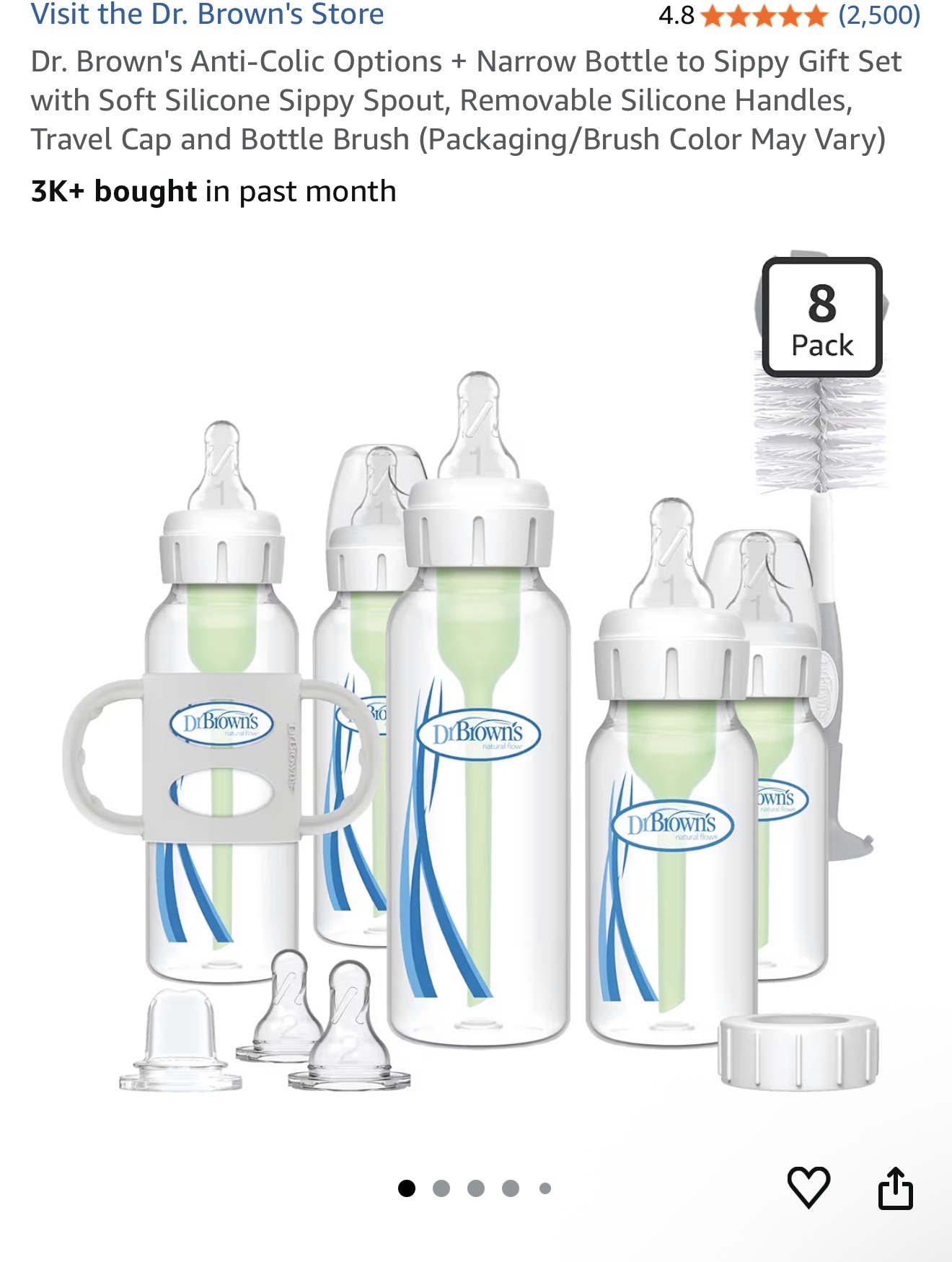
    👉  Newborn Bottle Starter Set

    https://amzn.to/4bfkC2h


    8. Bottle Drying Rack

    Once bottles and pump parts enter the picture, a drying rack quickly becomes one of the most used items in the kitchen.

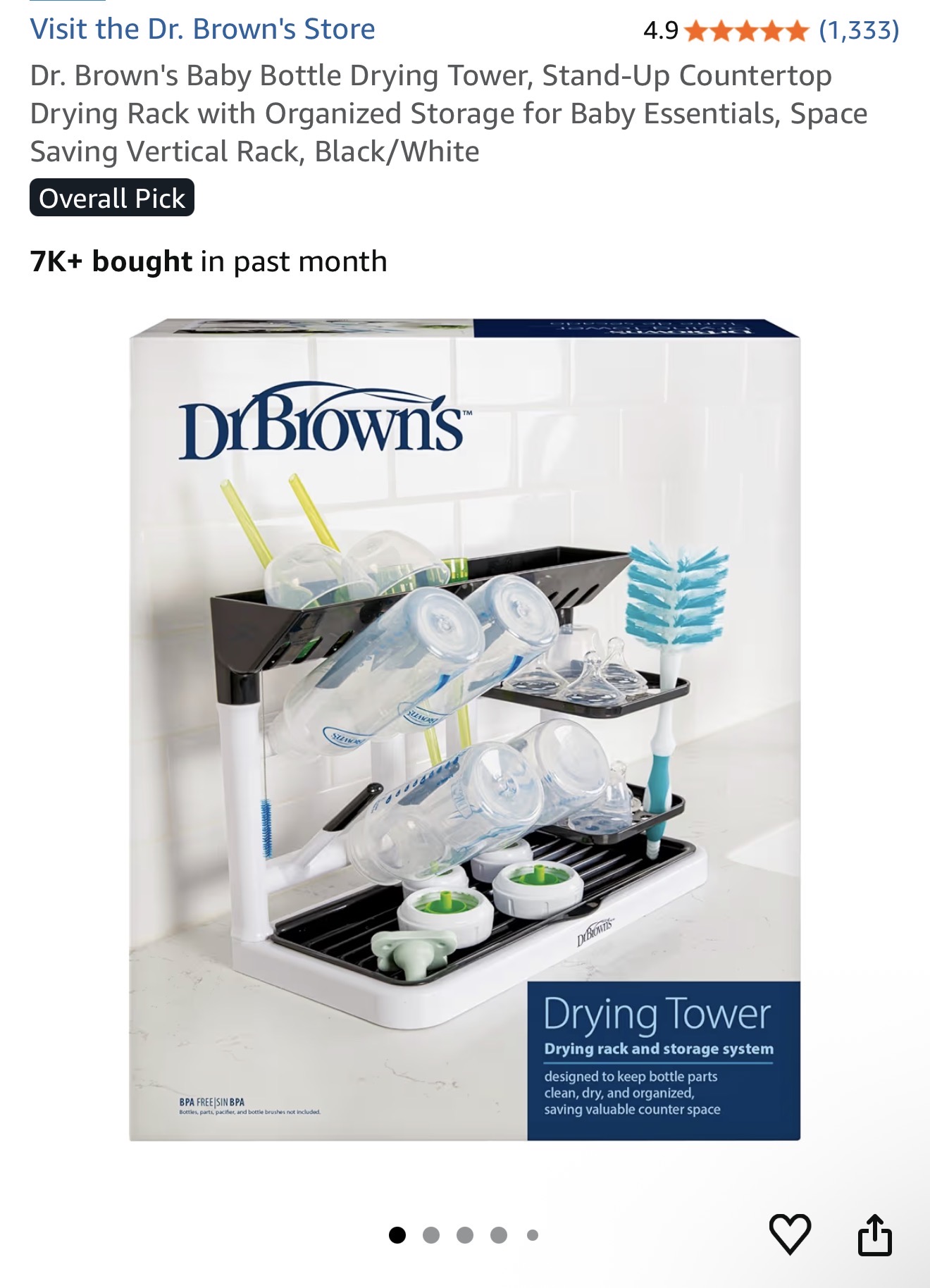
    A dedicated drying rack helps keep items organized and allows bottles, nipples, and pump components to air dry safely after washing.

    Parents often appreciate having a separate space specifically for baby feeding items to help keep everything clean and easy to find.

    👉  Bottle Drying Rack

    https://amzn.to/40UaHt3


    9. Nursing Cover

    Some mothers feel comfortable breastfeeding anywhere, while others appreciate having a little extra privacy when feeding in public or around guests.

    A lightweight nursing cover can provide coverage while still allowing airflow for baby. Many designs also allow moms to maintain eye contact with their baby during feeds.

    While a cover is not necessary for every family, many parents like having one available for outings or travel.

    👉  Breathable Nursing Cover

    https://amzn.to/40C9N49


    💡 Nurse Tip for New Parents

    Feeding can take time to feel comfortable, especially in the first few weeks. It’s completely normal for both parents and babies to need a little practice.

    If feeding feels difficult or painful, don’t hesitate to reach out for support from:

    • a lactation consultant
    • your pediatrician
    • postpartum nurses
    • breastfeeding support groups

    Small adjustments in positioning or latch can often make a big difference.

    Additional Feeding Tools Parents Often Find Helpful

    As families settle into feeding routines, a few additional tools can make the process smoother — especially during nighttime feeds, pumping sessions, or when leaving the house with baby.

    These are products many parents tell me become surprisingly helpful during the newborn months.


    10. Breast Milk Storage Bags

    If you are pumping or building a small milk supply, breast milk storage bags can be incredibly helpful for organizing and freezing milk safely.

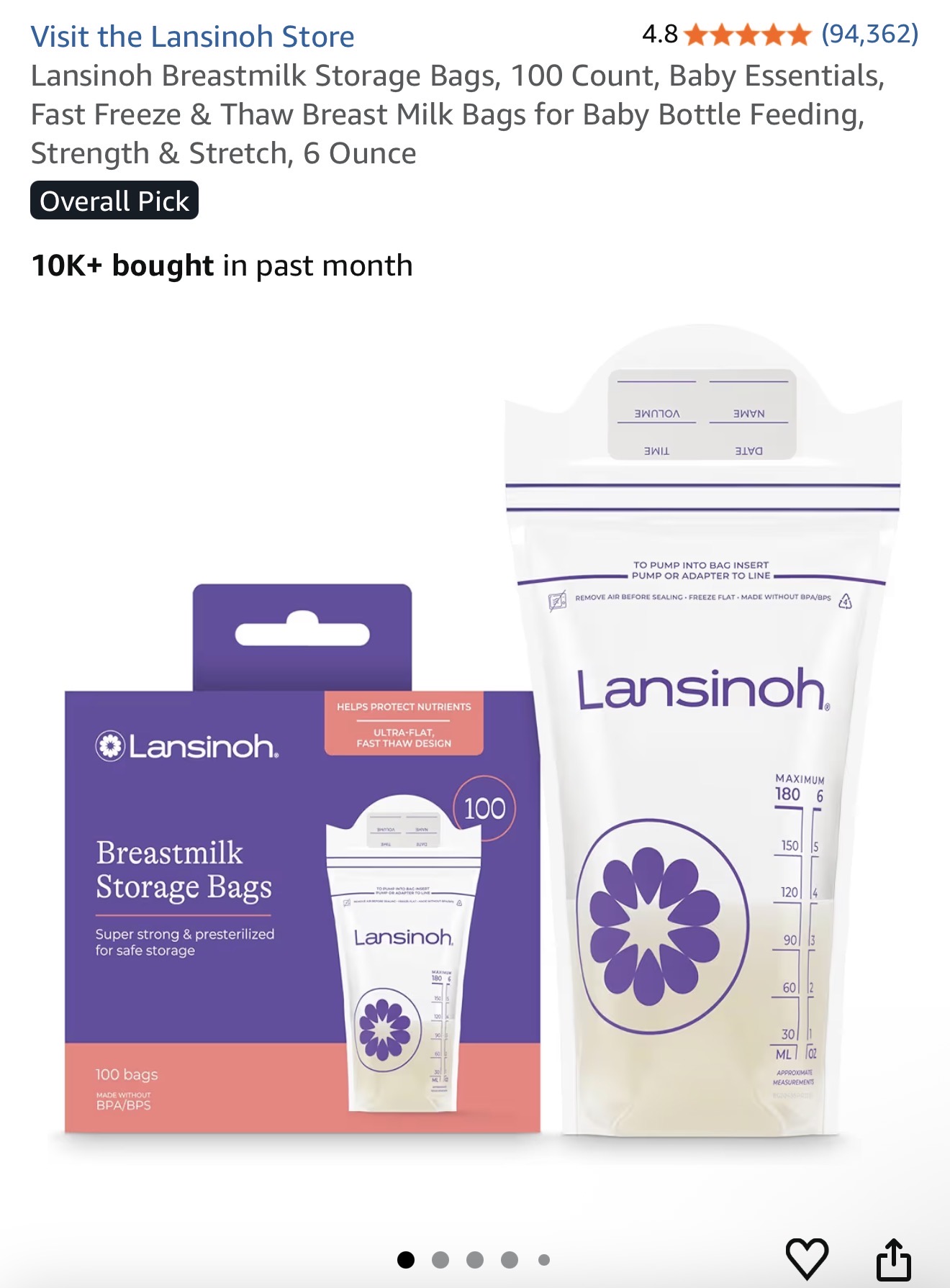
    Many bags are pre-sterilized, leak-resistant, and designed to freeze flat, which helps save freezer space and makes it easier to store milk portions for later use. Some bags even include double zipper seals and measurement markings for convenience.

    Parents often use these for:

    • storing pumped milk
    • building a freezer stash
    • organizing milk by date

    A popular option many families use is the
    Lansinoh Breastmilk Storage Bags.

    https://amzn.to/4rvHj73


    11. Bottle Warmer

    Late-night feeds can feel much easier when milk can be warmed quickly and safely.

    Bottle warmers are designed to heat breast milk or formula gently and evenly without creating hot spots. Many models can warm bottles in just a few minutes, helping parents respond quickly when baby is hungry.

    A well-known option many families choose is the
    Dr. Browns bottle warmer and sterilizer for small parts

    https://amzn.to/3PELMXK

    Parents often find bottle warmers especially helpful for:

    • nighttime feeds
    • warming stored breast milk
    • preparing bottles quickly when baby is crying


    12. Formula Dispenser

    For families using formula or combination feeding, a formula dispenser can make feeding on the go much easier.

    These small containers allow parents to pre-measure formula powder into separate compartments, making it quick to prepare bottles while traveling, visiting family, or running errands.

    One simple and convenient option is the
    Munchkin Formula Dispenser.

    https://amzn.to/473etDR

    Parents like these because they:

    • reduce the need to carry a full formula container
    • help measure accurate servings
    • make nighttime bottle preparation faster


    💡 Nurse Tip

    In the early newborn weeks, parents are often feeding their baby 8–12 times per day, which means even small tools that simplify feeding routines can make a big difference in daily life.

    The goal isn’t to buy every baby product available — but to choose a few thoughtful items that make those frequent feeding moments a little easier.

    Final Thoughts for the Feeding Support Essentials Blog

    Feeding your newborn is one of the most intimate and meaningful parts of early parenthood. In those quiet moments — whether during the middle of the night or a peaceful afternoon feed — you are doing more than simply nourishing your baby’s body.

    You are building connection, comfort, and trust.

    For many families, feeding may take time to feel natural. Both you and your baby are learning together, and it’s completely normal for there to be a learning curve along the way.

    As a nurse who has supported many families through the newborn stage, I often remind parents of this simple truth:

    There is no single “perfect” way to feed your baby.

    What matters most is that your baby is fed, loved, and cared for.

    Give yourself patience and grace during this season. The early weeks can feel tiring, but they are also filled with some of the sweetest bonding moments you will ever experience.

    You are doing an incredible job caring for your little one.

    This post may contain affiliate links. As an associate with Amazon, I may earn from qualifying purchases at no additional cost to you. I only recommend products I believe are helpful for families.