A research-based guide to understanding epidurals during labor
One of the most common questions expecting parents ask during pregnancy is about epidurals.
As a Labor & Delivery nurse who has supported families through birth for more than 18 years, I’ve heard many concerns and misconceptions about epidurals. Some moms worry they will lose control during labor, while others wonder if they will still be able to push effectively.
The truth is that modern epidurals are carefully designed to provide pain relief while still allowing your body to participate in the birth process.
This guide explains how epidurals work, when they can be used, and what research shows about their effects during labor.
What an Epidural Actually Does
An epidural is a type of regional anesthesia that helps reduce pain during labor while allowing the mother to remain awake and alert.
During the procedure, medication is delivered through a small catheter placed in the lower back near the spinal nerves. This medication blocks many of the pain signals traveling from the uterus to the brain.
According to the American College of Obstetricians and Gynecologists, epidural anesthesia is considered one of the most effective methods of pain relief during labor.
Epidurals typically help:
• reduce contraction pain
• allow the mother to rest during long labor
• decrease stress hormones related to pain
• provide comfort while remaining awake for birth
Most epidurals use a combination of medications that provide pain relief while preserving some ability to move the legs.
This balance helps mothers stay involved in the birth process.
When You Can Get an Epidural
Many parents believe there is a specific dilation when epidurals must be given, but that is not always the case.
Research referenced by the World Health Organization suggests that epidurals can be safely administered whenever a laboring mother requests pain relief and active labor has begun, provided there are no medical contraindications.
In most hospitals, epidurals can be placed when:
• labor has begun
• the cervix has started dilating
• the anesthesiologist is available
Some mothers choose epidurals early in labor, while others wait until contractions become stronger.
There is no universal “right time”—the decision depends on the mother’s comfort level and labor progression.
Movement with an Epidural
One of the most common misconceptions is that mothers cannot move at all once they receive an epidural.
In reality, many modern epidurals are “low-dose” epidurals, which provide pain relief while still allowing some movement.
Many mothers are able to:
• change positions in bed
• roll from side to side
• use peanut balls or support pillows
• sit upright with assistance
Nurses often help reposition mothers throughout labor because changing positions can help baby move down the birth canal.
Some hospitals even encourage assisted movement techniques while epidurals are in place.
Pushing with an Epidural
Another common myth is that mothers cannot push effectively with an epidural.
While epidurals may slightly reduce the sensation of contractions, nurses help guide mothers through the pushing stage by watching the contraction pattern on monitors.
Research from the National Institutes of Health shows that epidurals may slightly lengthen the pushing stage but do not necessarily increase cesarean birth rates when properly managed.
During the pushing stage, nurses and providers often:
• coach breathing and pushing techniques
• adjust positions to help baby descend
• allow “laboring down,” where baby moves lower before active pushing begins
Many mothers successfully deliver vaginally with epidural pain relief.
Comfort Tools That Still Help During Epidural Labor
Even with pain relief, many comfort measures can still support the body during labor.
These tools help promote relaxation and optimal positioning.
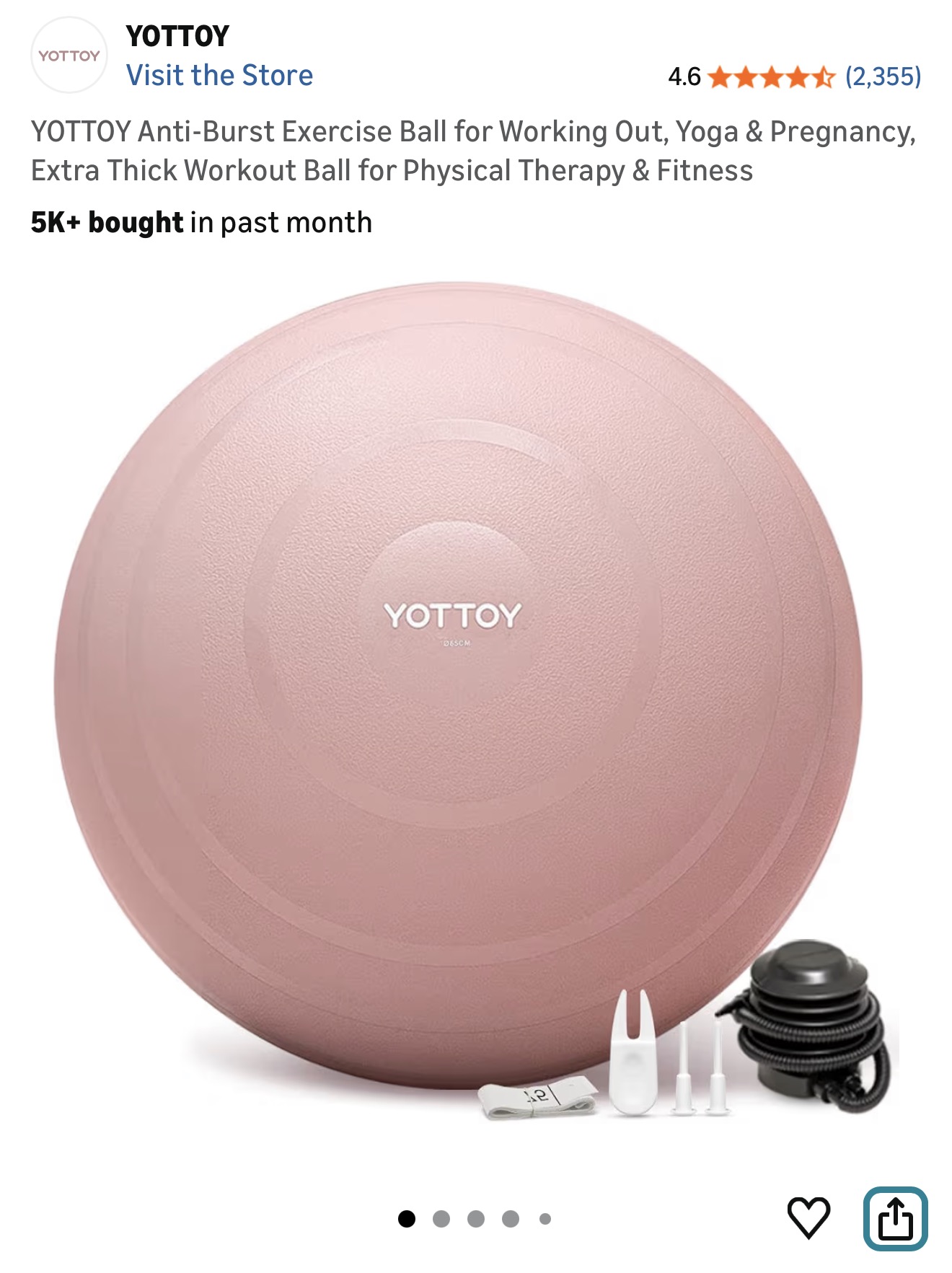
Supportive Pillow or Peanut Ball
When an epidural is in place, mothers typically remain in bed, but positioning still plays an important role.
Support pillows or peanut balls help:
• open the pelvis
• encourage baby’s descent
• relieve hip and back pressure
Labor nurses frequently use these positioning tools to support labor progress.
Comfortable Warm Socks
- comfy socks

Hospital rooms are often cool, and warm socks help moms stay comfortable during longer labors.
Small comforts can make a surprising difference during the birth experience.
Relaxation Tools for Labor
- labor comfort tools

Simple comfort tools like handheld massagers can help relieve tension in the shoulders or lower back during labor.
Partners often assist with these tools, helping maintain a calming environment.
Balanced Truth About Epidurals
After many years working in Labor & Delivery, I’ve seen beautiful birth stories unfold in many different ways.
Some mothers choose natural coping techniques, while others choose epidural pain relief.
Both approaches are valid and personal.
Epidurals can be incredibly helpful for mothers who:
• have long or exhausting labors
• need rest before pushing
• experience intense contractions
• prefer medical pain relief
At the same time, some mothers prefer non-medicated labor.
The most important goal is a safe and supported birth for both mother and baby.
Supporting Families with Trusted Essentials
As someone who has spent many years caring for families during pregnancy and birth, I’m thoughtful about the products and brands I recommend.
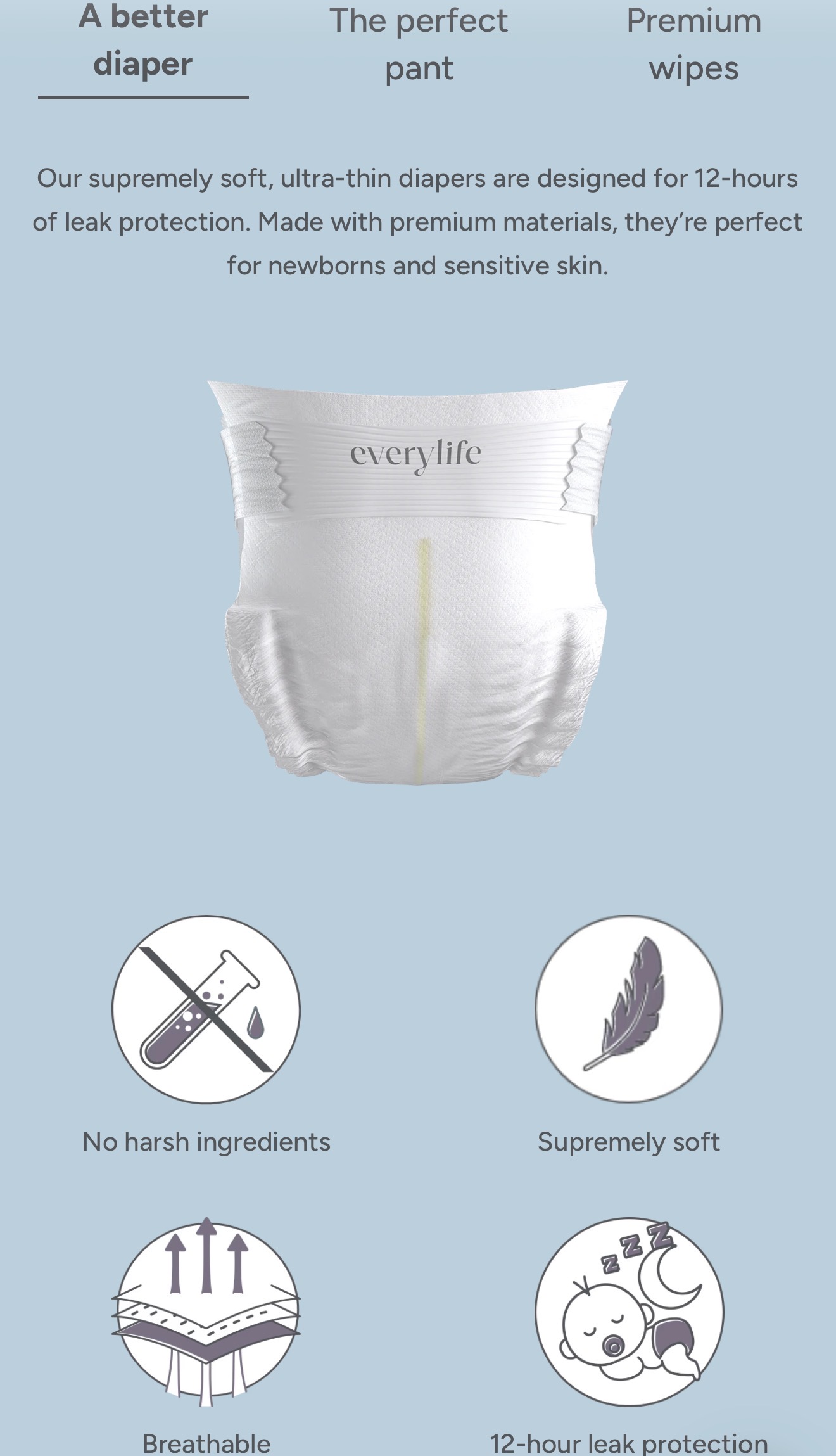
One company whose mission resonates with supporting families is EveryLife.
Their commitment to valuing life and supporting parents aligns beautifully with the work of caring for newborns and families.
If you’re preparing for baby and stocking up on newborn essentials like diapers and wipes, you can use my code:
NURTUREBYGRACE10
to receive 10% off your order.
Final Thoughts from an L&D Nurse
Birth is a deeply personal and powerful experience.
Some moments may feel uncertain or intense, but many families find peace remembering that they are not walking this journey alone.
“I can do all things through Christ who strengthens me.” — Philippians 4:13
Whether your birth includes an epidural or unfolds differently than expected, your strength and courage are part of a beautiful story that leads to meeting your baby.
One thing I’ve learned after supporting thousands of births is this:
There is no single “perfect” way to give birth.
Some labors are unmedicated.
Some include epidurals.
Some require medical interventions.
But every birth shares the same extraordinary moment — the first cry, the first breath, and the moment you hold your baby for the first time.
That moment is what truly matters.
-Jessica Azcarraga
This post may contain affiliate links. As an associate with Amazon, I may earn from qualifying purchases at no additional cost to you. I only recommend products I believe are helpful for families.