A nurse’s perspective on how partners can make a powerful difference during birth
One of the most beautiful parts of birth that I’ve witnessed over my 18+ years as a Labor & Delivery nurse is the role of the partner in the room.
Partners often arrive wanting to help but unsure what their role should actually look like during labor.
The truth is that supportive partners can have a meaningful impact on a mother’s labor experience. Research shows that continuous support during labor improves both emotional and physical outcomes for mothers.
According to the World Health Organization, women who receive continuous support during labor often experience:
• shorter labors
• decreased need for medical interventions
• higher satisfaction with their birth experience
Your presence, encouragement, and calm support matter more than you may realize.
Let’s walk through what partners can expect and how you can best support the mother of your baby during labor.
What Partners Should Expect During Labor
Labor can be both an exciting and emotional experience for partners.
Many partners expect labor to follow a clear timeline, but in reality, labor often unfolds gradually and unpredictably.
Early labor can last many hours and sometimes even a full day, especially for first-time mothers.
During this time, you may notice your partner experiencing:
• contractions that come and go
• back discomfort
• restlessness or fatigue
• emotional highs and lows
As labor progresses, contractions typically become stronger and closer together.
During active labor, many mothers focus intensely on breathing and coping with contractions, which is when your steady presence becomes especially important.
Partners often support by:
• helping mom change positions
• offering water or ice chips
• providing physical comfort
• speaking words of encouragement
You do not need to have all the answers. Simply being present and attentive is one of the most powerful ways to help.
How to Provide Counter Pressure During Labor
One of the most helpful comfort techniques partners can learn is counter pressure.
Counter pressure involves applying firm pressure to the lower back during contractions. This technique is especially helpful when mothers experience back labor, which happens when the baby’s head presses against the mother’s spine.
Research supported by the American College of Obstetricians and Gynecologists notes that non-medication comfort techniques such as massage and pressure therapy can improve coping and relaxation during labor.
To provide counter pressure:
- Place the heel of your hand or a massage tool on the lower back.
- Apply steady pressure during the contraction.
- Release the pressure when the contraction ends.
Many moms describe this as one of the most relieving forms of support during contractions.
Helpful Tool for Counter Pressure
- labor massage roller
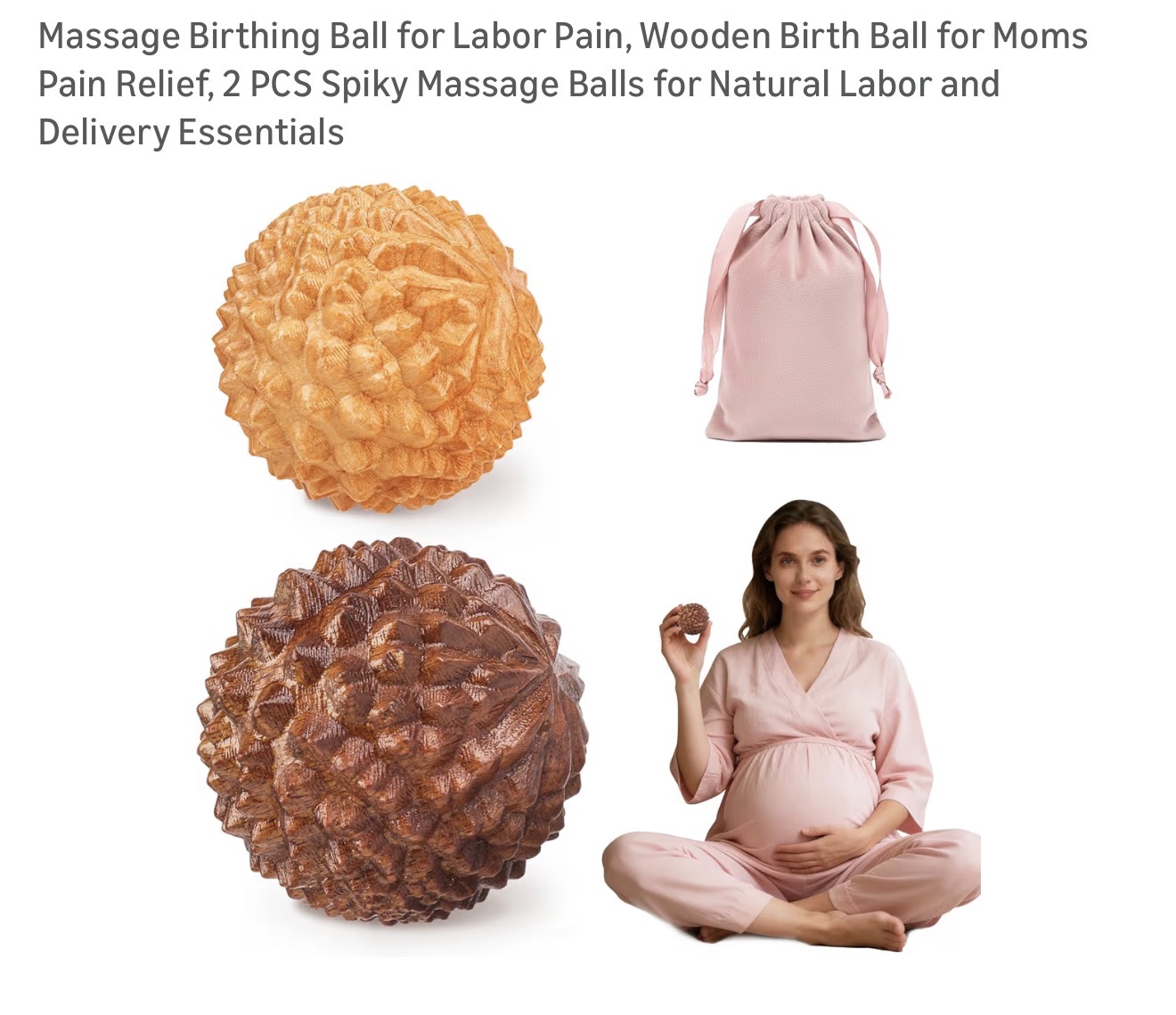
A small massage roller or handheld tool can make it easier to apply steady pressure for longer periods without tiring your hands.
Many partners find these tools especially helpful during longer labors.
Ways to Encourage Mom During Contractions
Labor can be intense both physically and emotionally. During contractions, moms often benefit from simple encouragement and calm reassurance.
Partners often wonder what to say in those moments.
Here are a few phrases nurses often hear that truly help:
• “You’re doing amazing.”
• “I’m right here with you.”
• “One contraction at a time.”
• “You’re getting closer to meeting our baby.”
Even simple eye contact and holding her hand can help her stay grounded through each contraction.
Research from the National Institutes of Health has shown that emotional support during labor can help reduce anxiety and improve a mother’s ability to cope with contractions.
Sometimes your calm voice becomes the anchor she focuses on during labor.
Staying Prepared and Hydrated
Labor can last several hours, and partners sometimes forget to take care of themselves as well.
Remaining hydrated and nourished helps you stay energized so you can continue supporting your partner throughout labor.
Helpful Partner Essentials
Staying hydrated during long hours in the labor room helps partners remain focused and present.
Packing snacks for partners is something nurses often recommend because hospital cafeterias may close overnight, and labor does not follow a schedule.
Easy snacks like protein bars, trail mix, and crackers can help partners maintain energy during long labor hours.
Communicating with Nurses and Doctors
Partners often play an important role in helping communicate with the care team.
During active labor, mothers are usually focused on breathing and coping with contractions. Partners can help by:
• asking questions about procedures
• helping clarify the birth plan
• sharing mom’s preferences with staff
• requesting comfort support when needed
Nurses are there to support the entire family.
Never hesitate to ask questions like:
• “What stage of labor is she in?”
• “Are there position changes that might help?”
• “Is there anything we can do to help labor progress?”
Your care team wants you to feel informed and involved throughout the process.
A Mission That Supports Families
As a nurse who has spent years supporting families during the birth journey, I’m thoughtful about the brands and products I recommend.
One company whose mission resonates deeply with my heart for families is EveryLife.
Their commitment to supporting families and valuing every life aligns beautifully with the work we do every day in maternity care.
If you are preparing for your baby and stocking up on newborn essentials like diapers and wipes, you can use my code:
NURTUREBYGRACE10
to receive 10% off your order.
Faith Encouragement for the Birth Journey
Birth is a powerful moment not only for mothers but for partners as well.
Supporting someone you love through labor takes patience, strength, and compassion.
Many families find comfort in remembering that they are not walking this journey alone.
One scripture that many parents hold close during birth is:
“Be strong and courageous. Do not be afraid; do not be discouraged, for the Lord your God will be with you wherever you go.” — Joshua 1:9
Your presence in the room is meaningful. Your support matters more than you may realize.
Final Thoughts from an L&D Nurse
Birth is a powerful moment not only for mothers but for partners as well.
Supporting someone you love through labor takes patience, strength, and compassion.
Many families find comfort in remembering that they are not walking this journey alone.
One scripture that many parents hold close during birth is:
“Be strong and courageous. Do not be afraid; do not be discouraged, for the Lord your God will be with you wherever you go.” — Joshua 1:9
Your presence in the room is meaningful. Your support matters more than you may realize.
After many years working alongside laboring families, one thing is always clear:
Partners play an incredibly important role in the birth experience.
You don’t need to be perfect or have all the answers.
Sometimes the most powerful support is simply:
• holding her hand
• speaking encouragement
• staying calm during contractions
• reminding her she is not alone
Together, you are stepping into one of the most meaningful moments of your lives — welcoming your baby into the world.
And that journey begins with showing up for each other. 🤍
-Jessica Azcarraga, RN
This post may contain affiliate links. As an associate with Amazon, I may earn from qualifying purchases at no additional cost to you. I only recommend products I believe are helpful for families.