A guide from an L&D nurse with 18+ years at the bedside
Preparing for labor can feel both exciting and overwhelming. After supporting families through birth for nearly two decades as a Labor & Delivery nurse, I’ve learned that the most confident parents are usually the ones who understand what their body may experience before labor truly begins.
This guide will walk you through the key things I wish every mom understood before labor starts — from recognizing early signs to knowing when to head to the hospital.
My goal is to help you feel calm, informed, and supported as you prepare to welcome your baby.
Understanding Early Labor vs Active Labor
One of the most common questions parents ask is:
“How will I know if I’m really in labor?”
Labor generally happens in two early phases: early labor and active labor.
According to the American College of Obstetricians and Gynecologists, early labor is when the cervix begins to soften and open gradually, often progressing from 0–6 centimeters of dilation.
During early labor you may notice:
• irregular contractions
• contractions that come and go
• mild back discomfort
• difficulty sleeping
• pressure in the pelvis
Early labor can last many hours — sometimes even a full day for first-time mothers.
Active labor usually begins when the cervix reaches about 6 centimeters dilation, and contractions become:
• stronger
• longer
• closer together
• more difficult to talk through
This is typically when most hospitals recommend coming in.
As nurses often say:
Early labor is the body warming up for the marathon of birth.
Signs Labor May Be Starting
Your body often gives several clues that labor is approaching.
Common signs include:
Regular Contractions
True labor contractions typically:
• become stronger over time
• occur at regular intervals
• continue even when resting or changing positions
Loss of the Mucus Plug
Some women notice thick discharge that may appear clear, pink, or slightly bloody. This can happen days before labor begins.
Water Breaking
When the amniotic sac ruptures, fluid may release in a gush or a slow trickle.
Research from the World Health Organization shows that most women begin contractions within 24 hours after the water breaks.
Lower Back Pain or Pelvic Pressure
Some mothers experience labor beginning with strong back discomfort, especially if baby is positioned facing upward.
When to Go to the Hospital
Many hospitals recommend the 5-1-1 guideline.
This means contractions are:
• 5 minutes apart
• lasting 1 minute each
• for at least 1 hour
However, there are situations when you should call your provider or go in sooner:
• your water breaks
• decreased baby movement
• heavy bleeding
• intense pain that feels unusual
• high-risk pregnancy concerns
Your healthcare provider may also give you specific guidance depending on your pregnancy.
Managing Early Labor at Home
One of the most helpful things parents can do is stay comfortable and relaxed during early labor.
Many nurses encourage moms to rest, hydrate, and move gently during this stage.
Here are a few tools that many families find helpful.
Helpful Comfort Tools for Early Labor
*Birthing ball
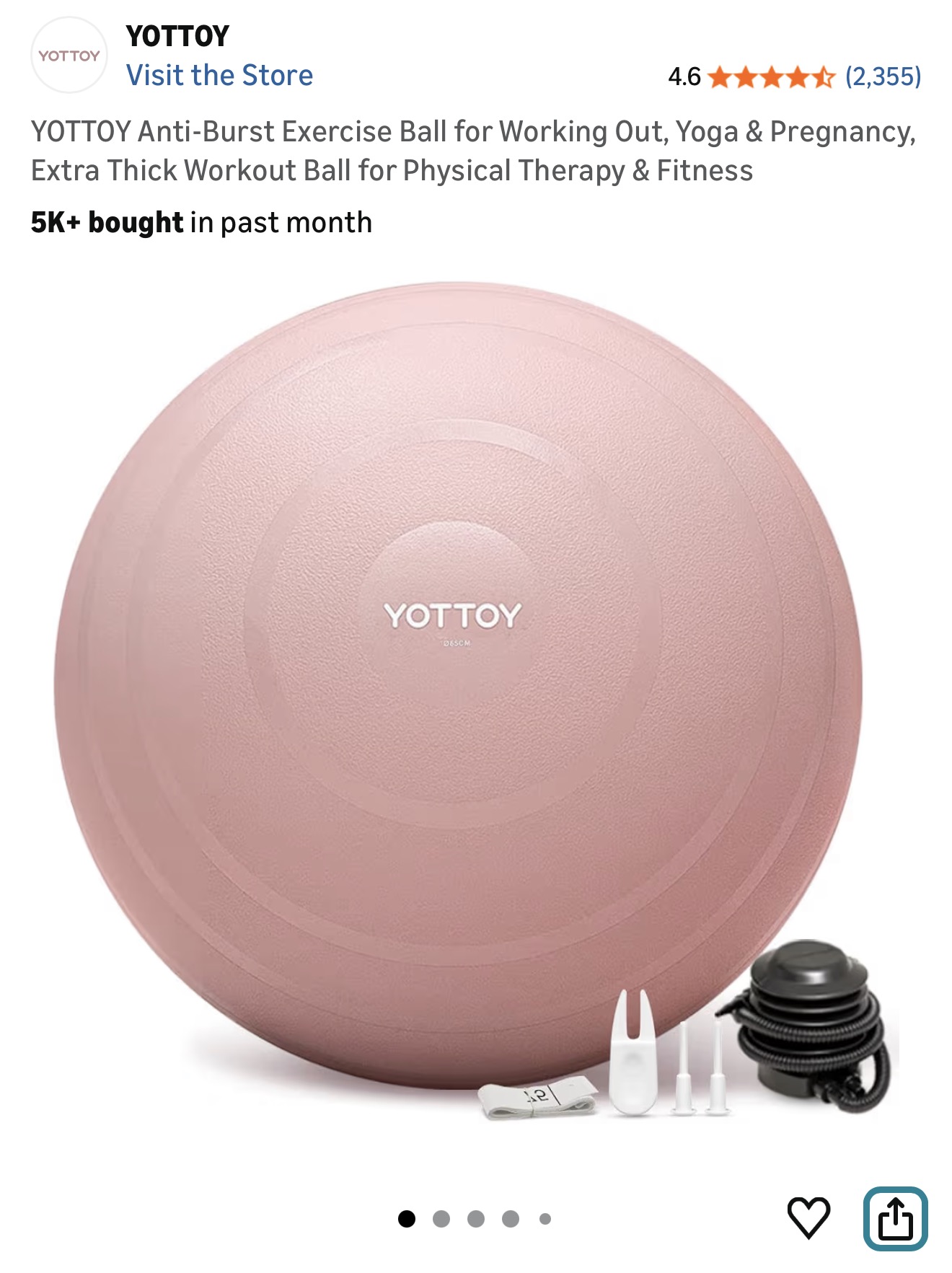
A birth ball is one of the simplest but most effective tools during early labor.
Many labor nurses encourage gentle movement because gravity and motion help baby move lower into the pelvis, which can support labor progression.
Sitting or rocking on a birth ball can:
• reduce pressure on the lower back
• encourage pelvic opening
• help baby rotate into a favorable position for birth
• provide gentle movement during contractions
Research published by National Institutes of Health suggests that upright positioning and movement during labor may help shorten labor and improve maternal comfort.
Many hospitals even provide birth balls in labor rooms because they are so beneficial.
*Heating pad
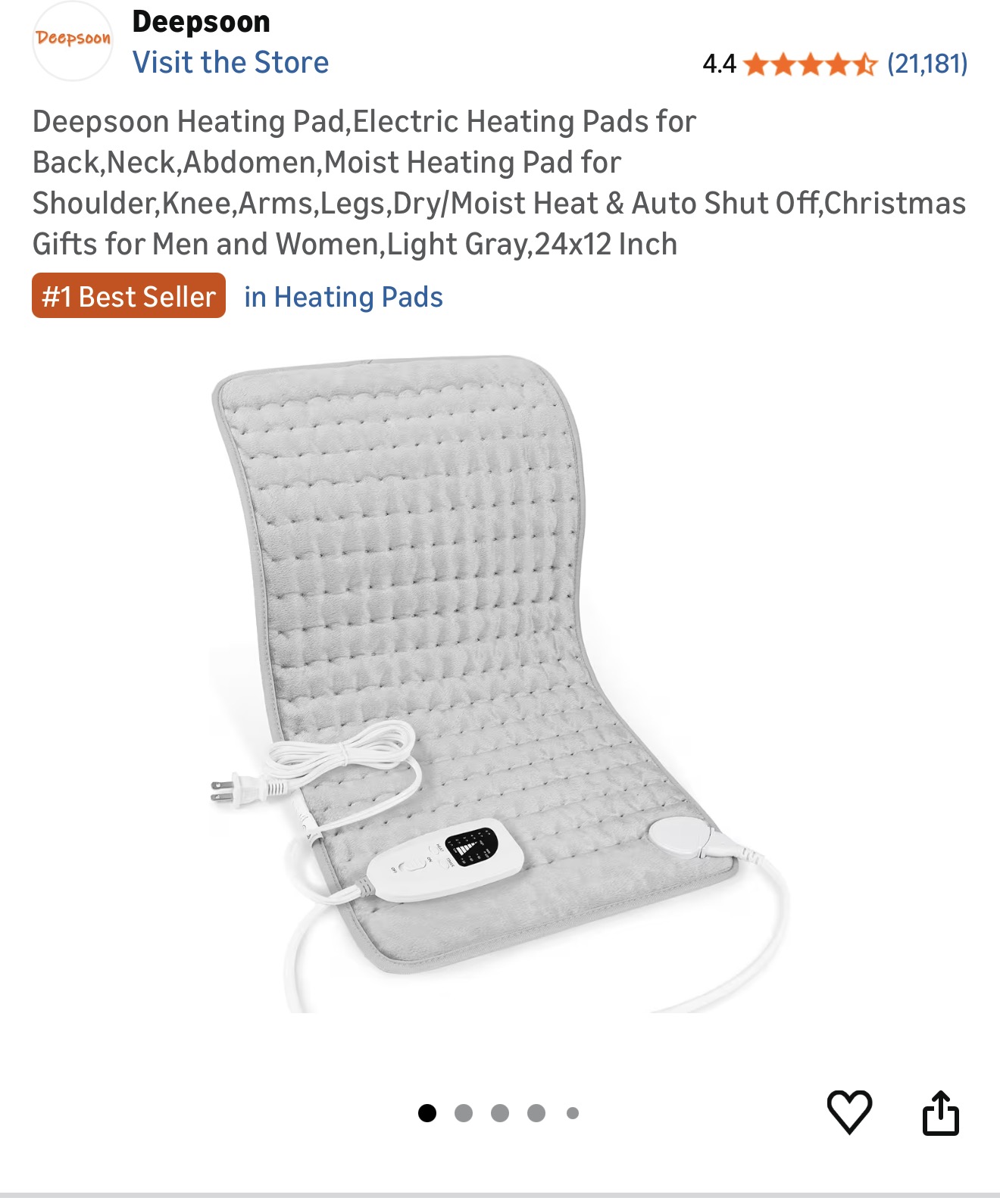
Lower back discomfort is very common in early labor, especially if baby is positioned facing upward (often called posterior positioning).
Warm compresses or heating pads can help by:
• relaxing tight muscles in the lower back
• increasing blood flow to the area
• reducing tension during contractions
Studies on labor comfort methods referenced by the American College of Obstetricians and Gynecologists show that non-medication comfort techniques like heat therapy can improve pain coping and relaxation during early labor.
Many moms describe heat on their back as one of the most soothing sensations during contractions.
Maternity Robe
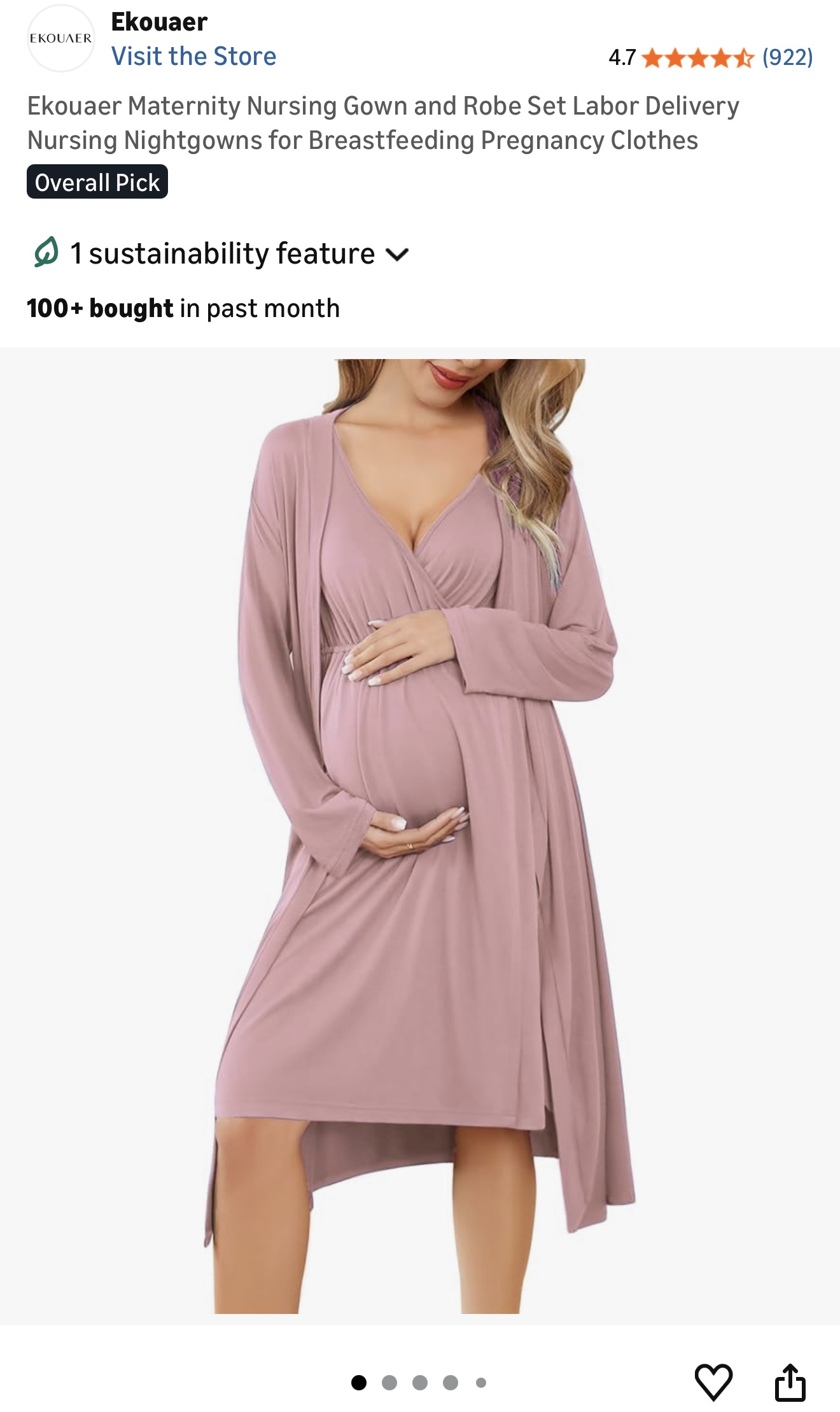
Comfortable clothing during early labor can make a surprising difference.
Labor often involves movement, walking, resting, and changing positions, and loose clothing helps support that flexibility.
A soft maternity robe is helpful because it:
• allows easy movement during contractions
• provides warmth and comfort
• makes breastfeeding easier after birth
• allows quick access for medical monitoring if needed
Many moms also appreciate having something soft and familiar instead of only wearing a hospital gown.
Feeling comfortable and relaxed can help reduce stress hormones, which may support smoother labor progression.
*Hospital bag Essentials
Packing your hospital bag ahead of time can reduce anxiety when labor begins.
After many years in Labor & Delivery, nurses often notice that moms feel calmer when they bring a few personal comfort items.
Helpful hospital bag items include:
• a long phone charger
• lip balm
• comfortable socks
• snacks for your partner
• a supportive nursing bra
These small comforts help create a more peaceful environment during labor and recovery.
Being prepared also allows parents to focus on the birth experience rather than worrying about forgotten items.
Nurse Insights from the Delivery Room
After assisting with thousands of births, there are a few things nurses quietly wish every mom knew.
Labor rarely follows a perfect timeline
Movies often show labor happening quickly, but real labor often unfolds gradually.
Patience is often part of the process.
Movement helps labor progress
Walking, rocking on a birth ball, and changing positions can encourage baby to move lower in the pelvis.
Hydration and rest matter
Even small breaks to drink fluids or nap between contractions can help preserve your energy for later stages of labor.
Your care team is there to support you
Nurses, midwives, and doctors are all working toward the same goal:
A healthy mom and a healthy baby.
Never hesitate to ask questions or share concerns.
Supporting Families with Trusted Products
As a nurse and educator supporting families through pregnancy and postpartum, I’m always thoughtful about the products I recommend.
One brand whose mission aligns beautifully with supporting families is EveryLife.
Their focus on valuing life and supporting parents during the newborn season resonates deeply with my heart for this work.
If you’re preparing for baby and stocking up on essentials like diapers and wipes, you can use my code:
NURTUREBYGRACE10
to receive 10% off your order.
Final Encouragement from an L&D Nurse
Birth is a powerful and sacred moment.
It is a time when strength, courage, and love all come together as families welcome new life.
Many parents find peace holding onto this truth:
“For you created my inmost being; you knit me together in my mother’s womb.” — Psalm 139:13
Your baby’s story has been known and loved long before this moment.
As labor begins, remember that your body was thoughtfully designed, and you are supported every step of the way.
As you prepare for labor, remember this:
You do not need to have everything perfectly planned.
Birth often unfolds in ways we cannot fully predict, but every contraction brings you one step closer to meeting your baby.
Trust your body.
Lean on your support team.
And allow yourself to step into this moment with courage and hope.
You are stronger than you may realize.
-Jessica Azcarraga
This post may contain affiliate links. As an associate with Amazon, I may earn from qualifying purchases at no additional cost to you. I only recommend products I believe are helpful for families.