One of the most common questions new parents ask is:
“Is my newborn sleeping normally?”
As a Labor & Delivery and Postpartum nurse, I’ve reassured countless parents during those middle-of-the-night moments when they wonder if their baby’s sleep patterns are normal.
The truth is that newborn sleep can feel unpredictable, but once parents understand how newborn sleep works biologically, it becomes much easier to navigate.
In this guide, we’ll explore:
- How much newborns actually sleep
- Why newborn sleep feels so irregular
- What research tells us about infant sleep development
- Simple tools that can help support better sleep
How Much Do Newborns Sleep?
Newborns sleep a lot, but rarely in long stretches.
Research shows that newborns typically sleep around 14–17 hours per day, though normal ranges can vary widely between babies.
Sleep usually happens in short cycles throughout the day and night, rather than one long nighttime sleep.
In the early weeks:
- Sleep often occurs in 2–4 hour periods
- Babies wake frequently for feeding
- Day and night may feel mixed up
This pattern is completely normal and happens because newborns have not yet developed a circadian rhythm, the internal clock that helps adults sleep at night and stay awake during the day.
Why Newborns Wake So Often
Newborns wake frequently for two important biological reasons.
1. Small Stomachs
Newborns need to eat every few hours because their stomachs are very small.
Most babies wake to feed about every 2–3 hours, especially during the first weeks of life.
Frequent feeding supports:
- healthy growth
- milk supply development
- stable blood sugar
2. Brain Development
Sleep is essential for newborn brain development.
Studies show newborns spend a large portion of sleep in active (REM) sleep, which plays an important role in memory formation and neurological growth.
During REM sleep, babies may:
- twitch
- smile
- move their eyes
- make small noises
This is completely normal and actually reflects healthy brain development.
Why Day and Night Feel Mixed Up
Many parents notice their newborn seems more awake at night.
This happens because newborns are not born with a fully developed circadian rhythm.
Their internal clock slowly develops over the first few months of life as they begin responding to light and darkness.
Most babies begin developing clearer sleep patterns around 8–12 weeks.
Until then, sleep remains polyphasic, meaning it occurs in multiple shorter periods across the day and night.
What a Typical Newborn Sleep Pattern Looks Like
Research observing infant sleep patterns shows that a two-week-old baby typically sleeps about 13 hours per day, waking multiple times during the night.
A typical pattern may look like:
- 2–4 hour sleep stretches
- frequent feeding wake-ups
- several naps during the day
- one slightly longer stretch of sleep at night
Remember: there is a wide range of normal.
Some babies sleep more, some sleep less.
Helpful Sleep Tools for Newborns
While newborn sleep cannot be “trained,” certain tools can help create a calming environment that supports healthy sleep habits.
Here are a few sleep helpers many parents find helpful.
1. Swaddle Blanket
Swaddle sack- my favorite organic swaddles:
Swaddling helps recreate the snug feeling of the womb and can reduce the startle reflex that wakes many newborns.
Benefits of swaddling:
- helps babies feel secure
- reduces sudden arm movements
- can promote longer sleep stretches
Many parents notice babies settle more quickly once swaddled.
2. White Noise Machine
Baby Sound Machine- my favorite portable
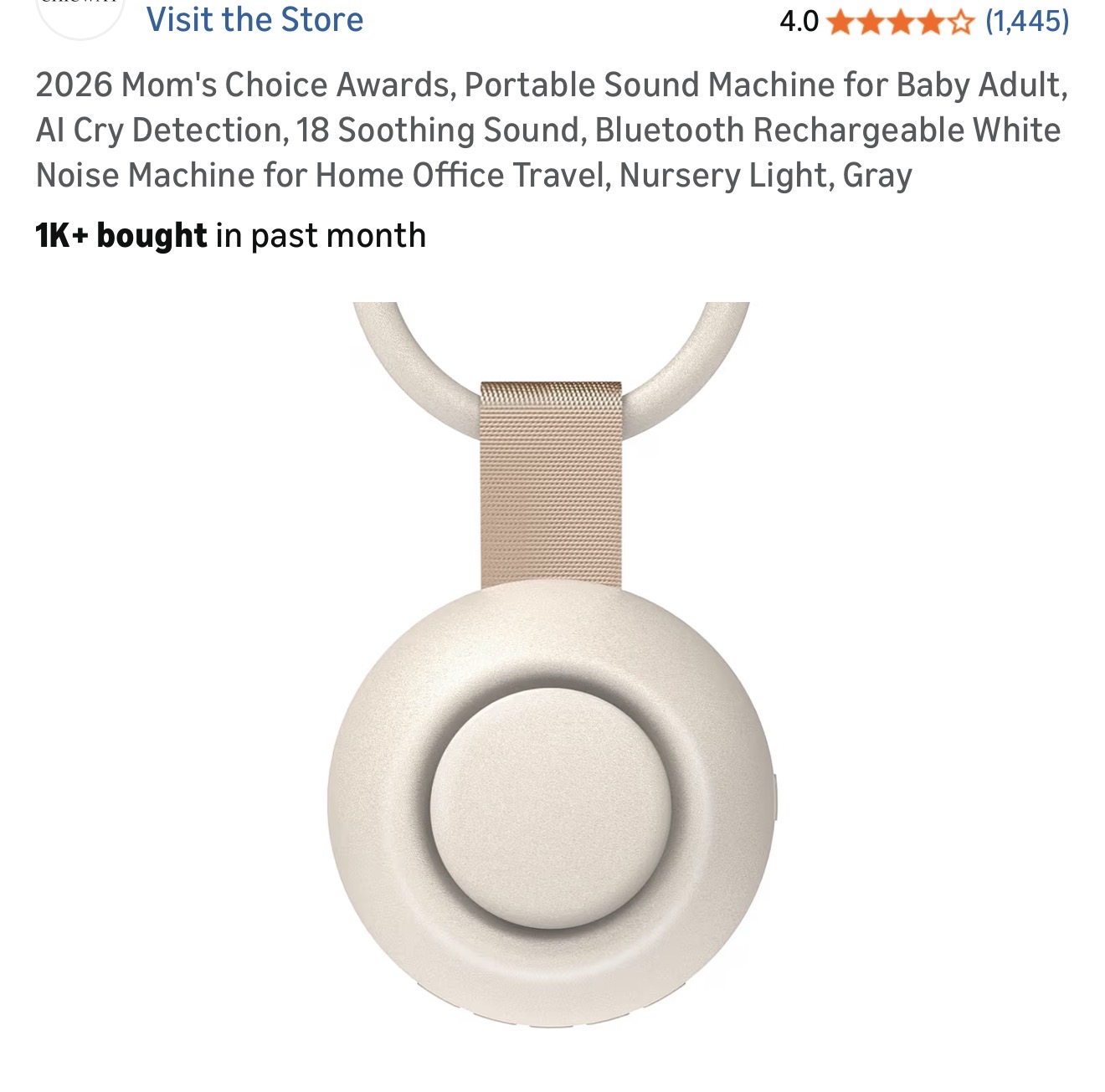
Babies are used to constant noise in the womb — blood flow, heartbeat, and body movement.
White noise can mimic that environment and help soothe babies to sleep.
Parents often find white noise helpful for:
- calming fussy babies
- masking household noise
- supporting longer sleep stretches
3. Bedside Bassinet
HALO Bedside Sleeper- love this bedside bassinet

Keeping baby nearby can make nighttime feeding easier and help parents respond quickly to newborn cues.
A bedside bassinet allows baby to sleep safely in their own space while still being close to parents.
This can be especially helpful during the first few weeks when babies wake frequently.
4. Soft Night Light
VAVA Baby Night Light- multifunctional!!!

Late-night feedings and diaper changes are much easier with soft lighting.
A dim night light helps parents:
- avoid fully waking baby
- navigate nighttime care safely
- maintain a calm sleep environment
A Gentle Reminder for New Parents
One of the most important things I tell new families as a postpartum nurse is this:
Newborn sleep is not supposed to be perfect.
Your baby is adjusting to life outside the womb.
Frequent waking, feeding, and short sleep cycles are all part of normal newborn development.
With time, growth, and gentle routines, babies gradually begin to sleep longer stretches.
Until then, focus on:
- responding to your baby’s cues
- creating a calm sleep environment
- giving yourself grace during this season
Final Encouragement
The newborn stage can feel exhausting, but it is also filled with beautiful moments of bonding and learning.
Sleep will come with time.
For now, remember that every feeding, every cuddle, and every moment of care is helping your baby grow and thrive.
This post may contain affiliate links through Amazon. As an Amazon Associate, I may earn from qualifying purchases at no additional cost to you. I only recommend products I believe are helpful for families.