A nurse’s guide to maintaining milk supply while returning to work
Returning to work while breastfeeding can feel overwhelming—but with the right plan and support, it becomes not only manageable, but sustainable.
As a postpartum nurse, I often remind moms that this season is about preparation, flexibility, and grace. You are learning to balance two important roles—and that takes time.
According to the Office on Women’s Health, consistent and effective pumping is key to maintaining milk supply when separated from your baby.
When to Start Pumping
Most mothers begin pumping:
• around 3–4 weeks postpartum
• once breastfeeding is established
• when baby is effectively transferring milk
Starting too early can sometimes lead to oversupply, while starting too late can make building a stash more stressful.
From a nursing perspective, the goal is to:
• allow baby to help regulate supply first
• introduce pumping gradually
• avoid unnecessary pressure early on
Understanding Supply & Pumping Physiology
Milk production continues to work on a supply-and-demand cycle, even when pumping replaces direct feeding.
This process is driven by:
• Prolactin → stimulates milk production
• Oxytocin → triggers let-down (milk release)
Regular milk removal—whether by baby or pump—signals your body to continue producing milk.
This is why skipping pumping sessions at work can gradually decrease supply over time.
Building a Freezer Stash (Without Overwhelm)
Many moms feel pressure to build a large freezer stash quickly—but in reality, a small, steady approach works best.
Start with:
• pumping once daily after a morning feed (milk supply is often highest in the morning)
• collecting 1–2 ounces at a time
• storing milk in labeled bags with date and amount
Over time, these small amounts add up to a reliable stash.
A simple goal:
Enough milk for your first 1–2 days back at work is a great starting point.
Pumping Schedule at Work
To maintain supply, aim to pump:
• every 2–3 hours
• for about 15–20 minutes per session
• similar to your baby’s feeding pattern
Consistency is one of the most important factors in protecting your milk supply.
From a nursing perspective, moms who maintain a regular schedule often experience:
• more stable supply
• less engorgement
• easier transition between home and work
Tips for Pumping Success at Work
Here are a few practical tips that make a big difference:
• look at photos or videos of your baby to help stimulate let-down
• stay hydrated throughout the day
• don’t skip sessions—even short ones help
• create a calm, comfortable pumping environment
Even small routines can help your body respond more easily to pumping.
Helpful Pumping Tools
Having the right tools can significantly reduce stress and simplify your routine.
Electric Breast Pump
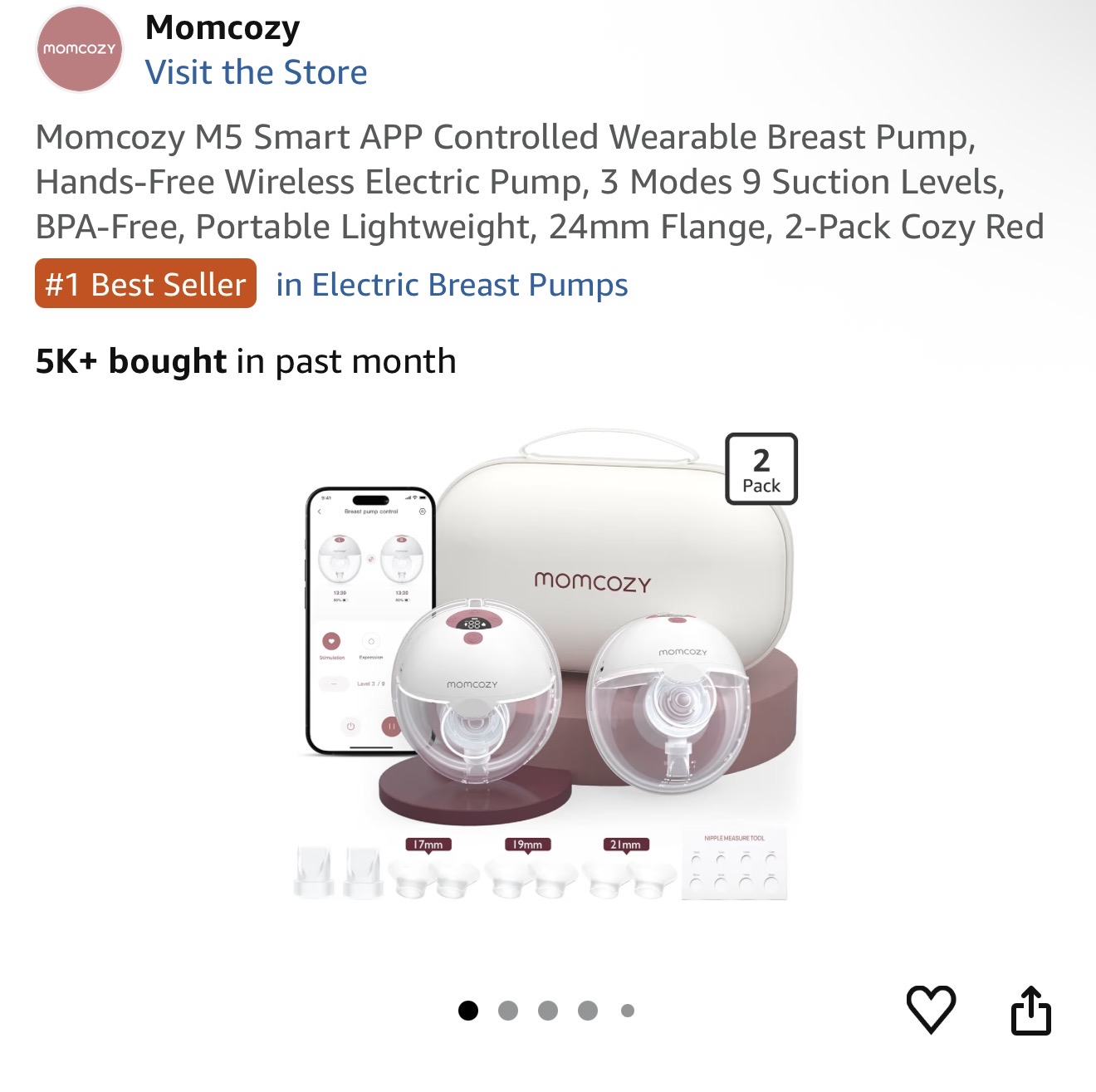
A reliable pump helps ensure efficient milk removal, which is essential for maintaining supply. Many working moms benefit from a double electric pump for time efficiency.
Milk Storage Bags
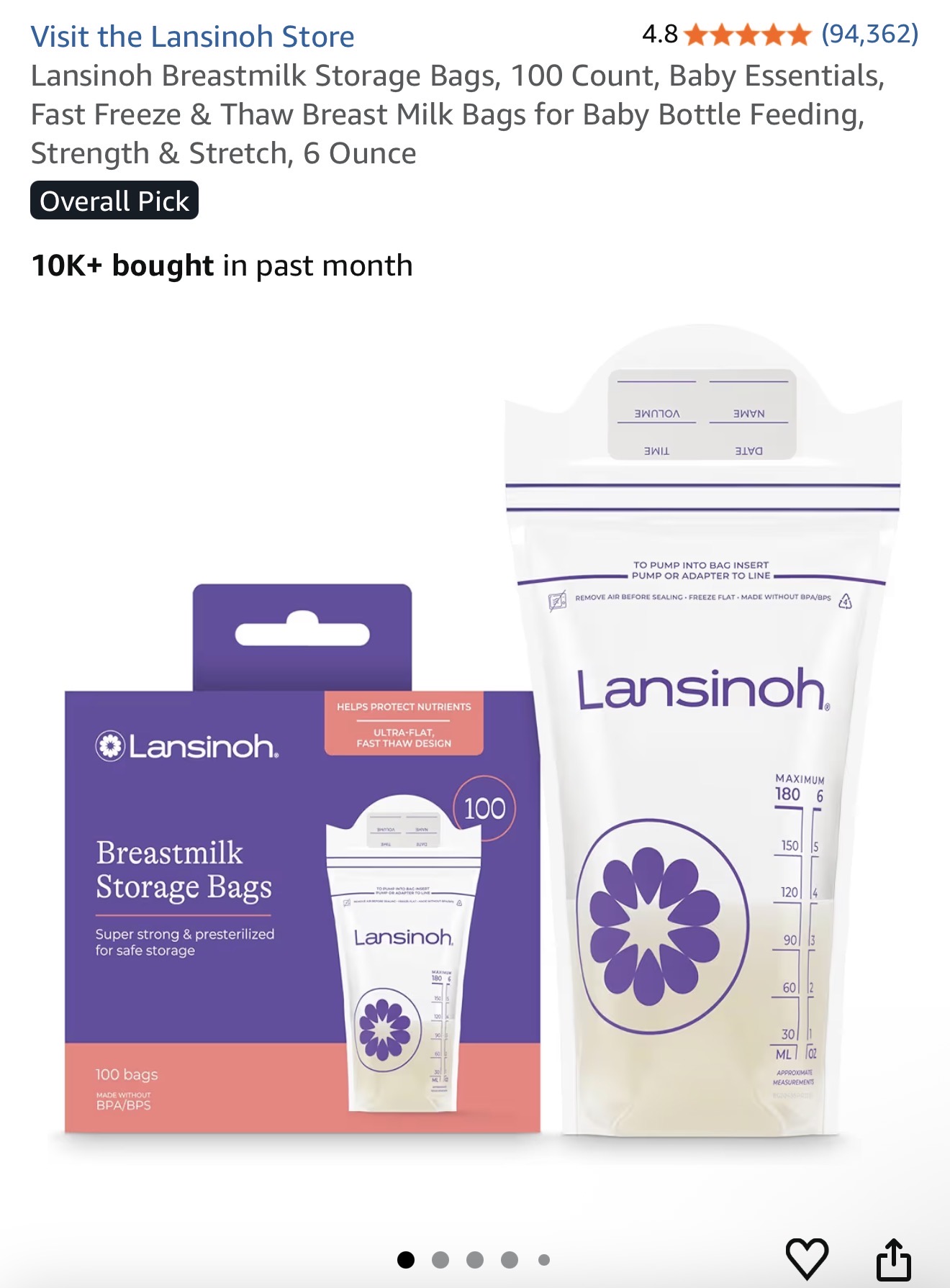
Designed for safe, organized storage, these make it easy to label, freeze, and transport milk.
Pump Bag

Keeps all pumping essentials in one place—helpful for commuting and staying organized at work.
Resource for Pumping
As you navigate breastfeeding, having reliable, evidence-based support can make a meaningful difference.
One resource I often recommend to families is kellymom.com. It provides research-backed guidance on topics like latch, milk supply, pumping, and common challenges.
Many moms find it especially helpful because it breaks down complex information into practical, easy-to-understand support you can use in real time.
If you ever find yourself searching questions at 2am (which many new moms do), this is a wonderful place to start.
Now, let’s walk through common challenges and how to address them.
Emotional Support for Working Moms
Returning to work while breastfeeding can bring a mix of emotions:
• pride
• guilt
• exhaustion
• determination
All of these feelings are valid.
From a nurse’s perspective, one of the most important things to remember is:
You are still providing for your baby in a powerful and meaningful way.
Whether feeding at the breast, pumping, or combining methods—your effort matters.
Final Thoughts from a Postpartum Nurse
Balancing work and motherhood is not easy—but it is possible with support, preparation, and flexibility.
Some days will feel smooth. Others may feel overwhelming.
Both are part of the journey.
What matters most is not doing everything perfectly—but continuing to show up with care, intention, and love for your baby.
And that is something you are already doing beautifully. 🤍
In seasons where you feel stretched between responsibilities, it’s important to remember that you are not carrying it all alone.
“Come to me, all who are weary and burdened, and I will give you rest.” — Matthew 11:28
Give yourself permission to move through this transition with grace, not perfection.
-Jessica Azcarraga
I share products that I truly trust and recommend as a nurse and as someone passionate about supporting families. Some links may be affiliate links, which means I may earn a small commission at no extra cost to you. Thank you for supporting Nurture by Grace and allowing me to continue serving families in this space.