A nurse’s guide to feeding your baby with intention and trust
Whether you are supplementing, pumping, or exclusively bottle feeding, this is a thoughtful and loving way to nourish your baby.
As a postpartum nurse, I’ve supported many families who choose bottle feeding for a variety of reasons—and one truth remains the same:
A well-fed baby and a supported parent is always the goal.
Bottle feeding is not just about ounces—it’s about connection, responsiveness, and learning your baby’s cues.
Understanding Newborn Feeding Needs
In the early weeks, newborns typically feed:
• every 2–3 hours
• about 8–12 times per day
Their stomachs are very small at birth and gradually increase in capacity over time.
According to the American Academy of Pediatrics, responsive feeding—watching your baby’s cues rather than focusing only on volume—supports healthy growth and feeding patterns.
Paced Bottle Feeding
Paced bottle feeding is one of the most important techniques for bottle-fed babies.
It helps mimic the natural rhythm of breastfeeding and allows babies to control how much they eat.
Why It Matters
Without pacing, milk can flow too quickly, which may lead to:
• overfeeding
• increased spit-up
• gas or discomfort
• reduced ability to recognize fullness cues
How to Practice Paced Feeding
• hold baby in a more upright position
• hold the bottle horizontally (not tilted fully downward)
• allow baby to actively suck rather than passive flow
• pause every few minutes to give baby a break
• switch sides midway through feeding (like breastfeeding)
From a nursing perspective, this method helps babies develop better self-regulation and feeding comfort.
Choosing the Right Bottles
Not all bottles are created equal, and finding the right fit can make a big difference.
Look for bottles that support a more natural feeding experience:
• slow-flow nipples to prevent overwhelming baby
• anti-colic design to reduce air intake
• simple structure for easy cleaning and assembly
Some babies may take time to adjust to a specific bottle—this is normal.
It’s okay to try a couple options before finding what works best.
Avoiding Overfeeding
One of the biggest concerns with bottle feeding is unintentionally overfeeding.
Because bottles allow milk to flow more easily, babies may continue drinking even after they are full.
This is why watching your baby—not the bottle—is so important.
Signs Baby Is Full
• turning head away
• relaxed hands and body
• slowing or stopping sucking
• pushing bottle away
Stopping when your baby shows fullness cues helps support:
• healthy digestion
• comfort after feeding
• long-term feeding regulation
Burping and Comfort During Feeds
Bottle-fed babies may swallow more air, so burping becomes an important part of feeding.
Try:
• burping midway through feeding
• burping after feeding
• holding baby upright for 10–15 minutes after feeds
This can help reduce:
• gas discomfort
• spit-up
• fussiness
Creating a Calm Feeding Environment
Feeding is not just nutritional—it is relational.
Creating a calm, connected environment supports bonding and helps baby feel secure.
Simple ways to support this:
• maintain eye contact
• speak softly or hum
• minimize distractions
• hold baby close
Even with a bottle, feeding can be a deeply connected experience.
Helpful Feeding Tools
Having a few supportive tools can make bottle feeding easier and more organized.
Newborn Bottle Set
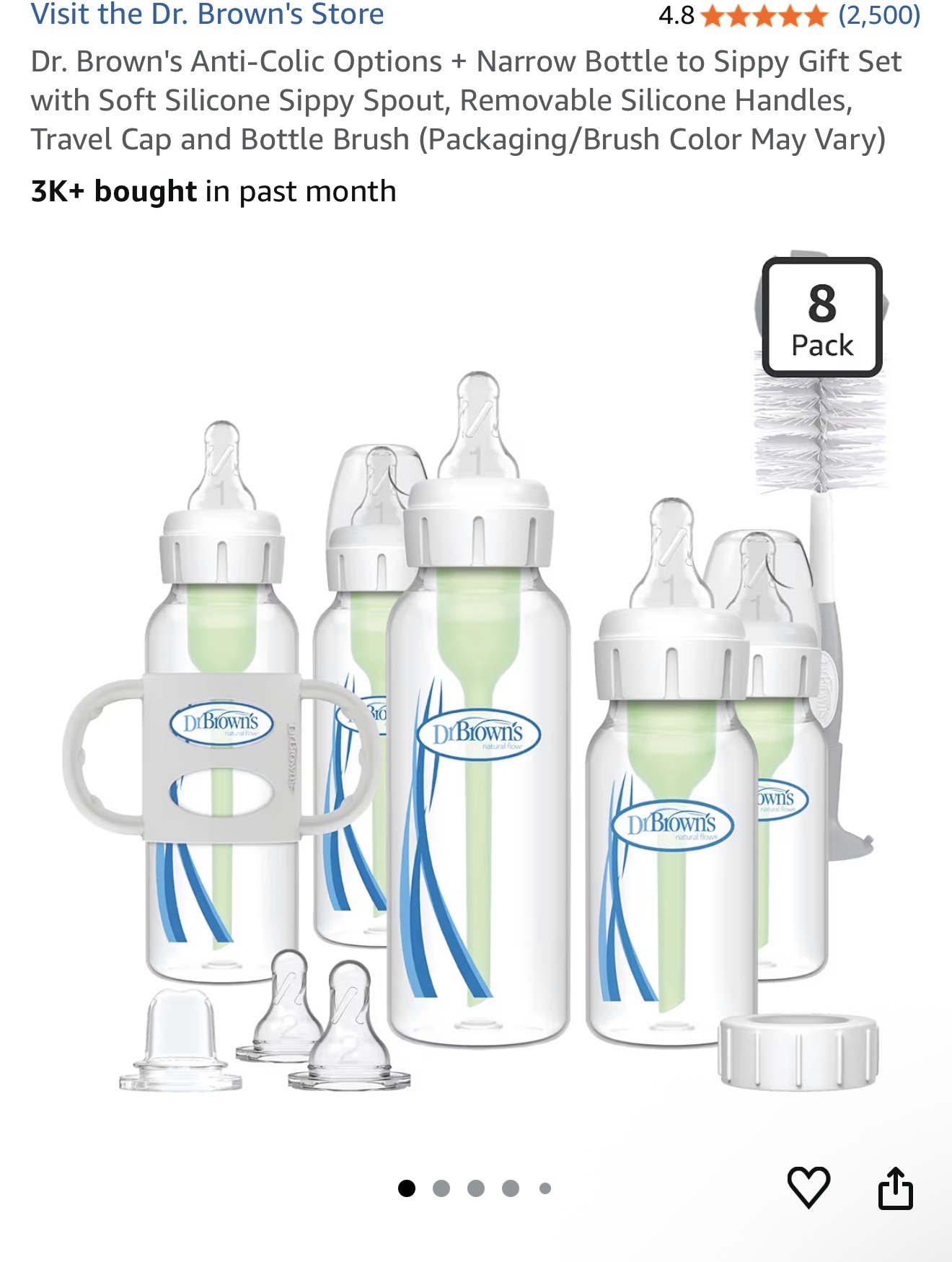
A good bottle set gives you flexibility while finding what works best for your baby and feeding style.
Bottle Drying Rack
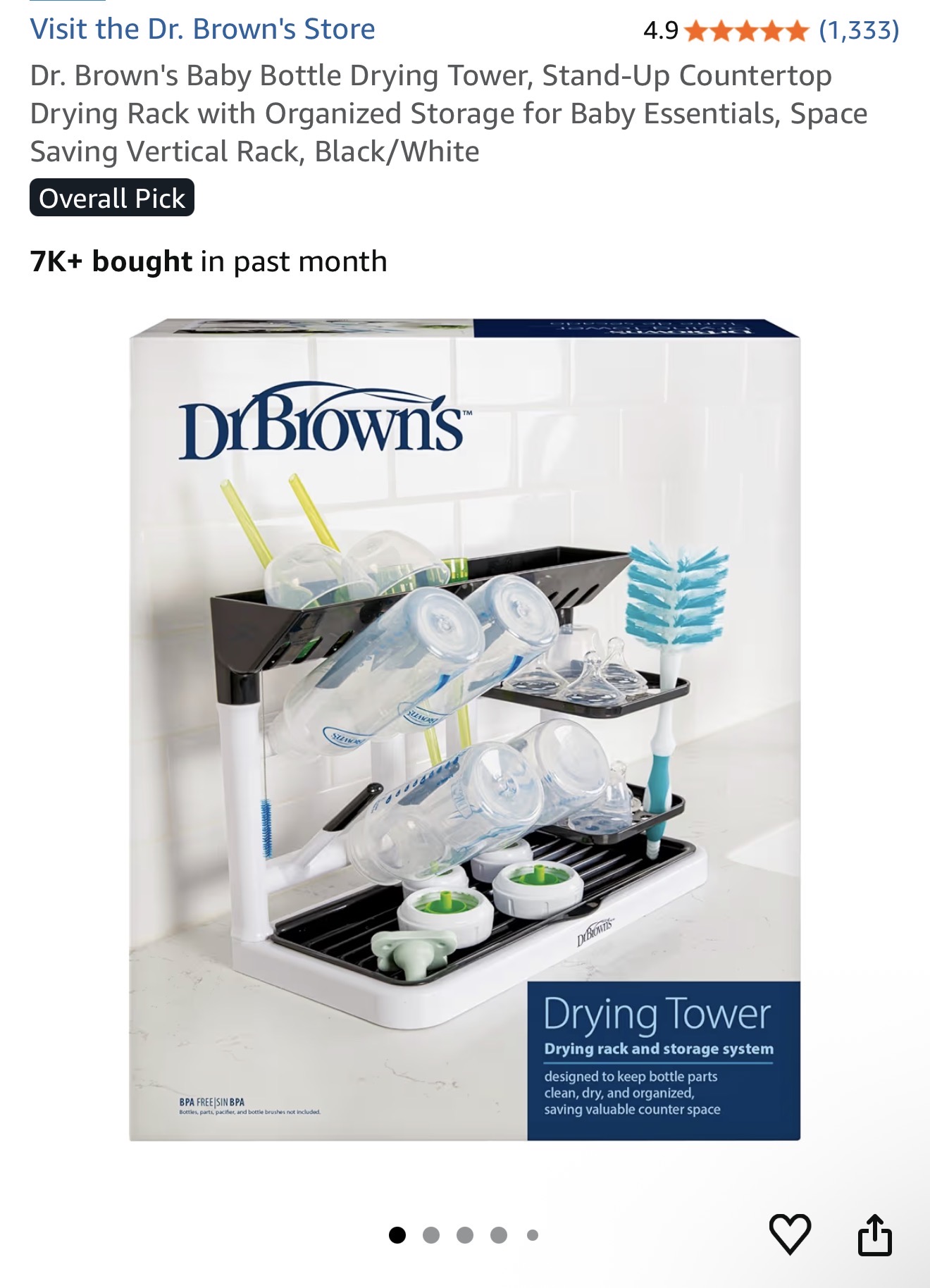
Keeps bottles and pump parts clean, organized, and properly air-dried between uses.
A Brand That Supports Families
As you build your feeding routine, having dependable essentials for your baby matters.
I often recommend EveryLife for families looking for gentle, thoughtfully designed products for newborn care. Everylife.com
You can use code:
NURTUREBYGRACE10
for 10% off your order.
Emotional Support for Bottle Feeding Moms
Bottle feeding can sometimes come with unexpected emotions, especially if it wasn’t your original plan.
As a nurse, I want you to hear this clearly:
Feeding your baby is not defined by how—it is defined by the love and care you provide.
Your presence, your responsiveness, and your attention to your baby’s needs are what matter most.
Final Thoughts from a Postpartum Nurse
Bottle feeding is a skill that both you and your baby learn together.
Some days will feel smooth. Others may take patience.
That is part of the process.
Trust yourself.
Follow your baby’s cues.
And know that you are providing exactly what your baby needs—love, nourishment, and comfort. 🤍
In the quiet moments of feeding—whether day or night—you are doing sacred work.
“Love is patient, love is kind.” — 1 Corinthians 13:4
Every feeding is an act of love, connection, and care.
-Jessica Azcarraga
I share products that I truly trust and recommend as a nurse and as someone passionate about supporting families. Some links may be affiliate links, which means I may earn a small commission at no extra cost to you. Thank you for supporting Nurture by Grace and allowing me to continue serving families in this space.