Postpartum Mental Health: What’s Normal vs When to Get Help
A nurse’s guide to understanding your emotions after birth
The days and weeks after having a baby bring physical recovery, emotional shifts, and major life adjustment.
As a postpartum nurse, I want to say this clearly:
Not all emotional changes mean something is wrong—but some do need support.
According to Postpartum Support International, 1 in 5 mothers experience postpartum mood and anxiety disorders (PMADs).
Understanding what’s normal—and when to reach out—can make all the difference.
Baby Blues vs Postpartum Depression
Baby Blues (Very Common)
Up to 70–80% of moms experience the “baby blues.”
This usually begins:
• within the first few days after birth
• peaks around day 3–5
• improves within 1–2 weeks
Common Symptoms:
• mood swings
• tearfulness
• irritability
• feeling overwhelmed
• trouble sleeping (even when baby sleeps)
Why It Happens:
• rapid hormone drop after delivery
• physical exhaustion
• emotional adjustment
Postpartum Depression (Needs Support)
Postpartum depression (PPD) is more intense and longer-lasting.
Signs to Watch For:
• persistent sadness or numbness
• loss of interest in things you used to enjoy
• difficulty bonding with baby
• feeling hopeless or stuck
• changes in sleep or appetite
• thoughts of harming yourself or feeling like your family would be better without you
Unlike baby blues, these symptoms:
• last longer than 2 weeks
• interfere with daily functioning
• do not improve on their own
Postpartum Anxiety (Often Overlooked)
Many moms don’t realize anxiety can be just as common as depression.
Signs of Postpartum Anxiety:
• constant worry or racing thoughts
• feeling on edge or unable to relax
• intrusive thoughts about baby’s safety
• trouble sleeping due to anxiety (not just baby waking)
• physical symptoms like a racing heart or tight chest
From a nursing perspective, anxiety often shows up as:
“I can’t turn my brain off.”
Why This Happens (Research + Nurse Insight)
Postpartum mental health changes are influenced by:
• hormonal shifts (estrogen & progesterone drop)
• sleep deprivation
• physical recovery
• identity changes
• feeding challenges
• lack of support
This is not a weakness—it is a biological and emotional transition.
When to Reach Out for Help
You should reach out if:
• symptoms last longer than 2 weeks
• you feel overwhelmed most of the day
• you’re struggling to care for yourself or baby
• your thoughts feel scary or intrusive
• you feel alone or unsupported
Immediate Support Needed If:
• thoughts of harming yourself or baby
• feeling like you cannot cope
In these cases, urgent help is important.
Trusted Support Resources
Here are safe, trusted places to turn:
Postpartum Support
Postpartum Support International
Offers:
• 24/7 helpline
• local support groups
• trained coordinators
Maternal Health Guidance
Office on Women’s Health
Provides:
• educational resources
• mental health guidance
• treatment information
Pediatric & Family Support
American Academy of Pediatrics
Encourages screening and support for maternal mental health during baby visits.
Practical Ways to Support Your Mental Health
While professional support is essential when needed, small daily supports also matter.
1. Prioritize Rest (Even in Small Ways)
Sleep deprivation has a direct impact on mood and anxiety.
Try:
• resting when baby sleeps (even short periods)
• asking for help overnight when possible
2. Nourish Your Body
Your body is healing and producing milk.
Postnatal Vitamins

Supports nutrient replenishment during postpartum recovery.
3. Gentle Physical Comfort
Physical discomfort can increase emotional stress.
Breast Therapy Packs
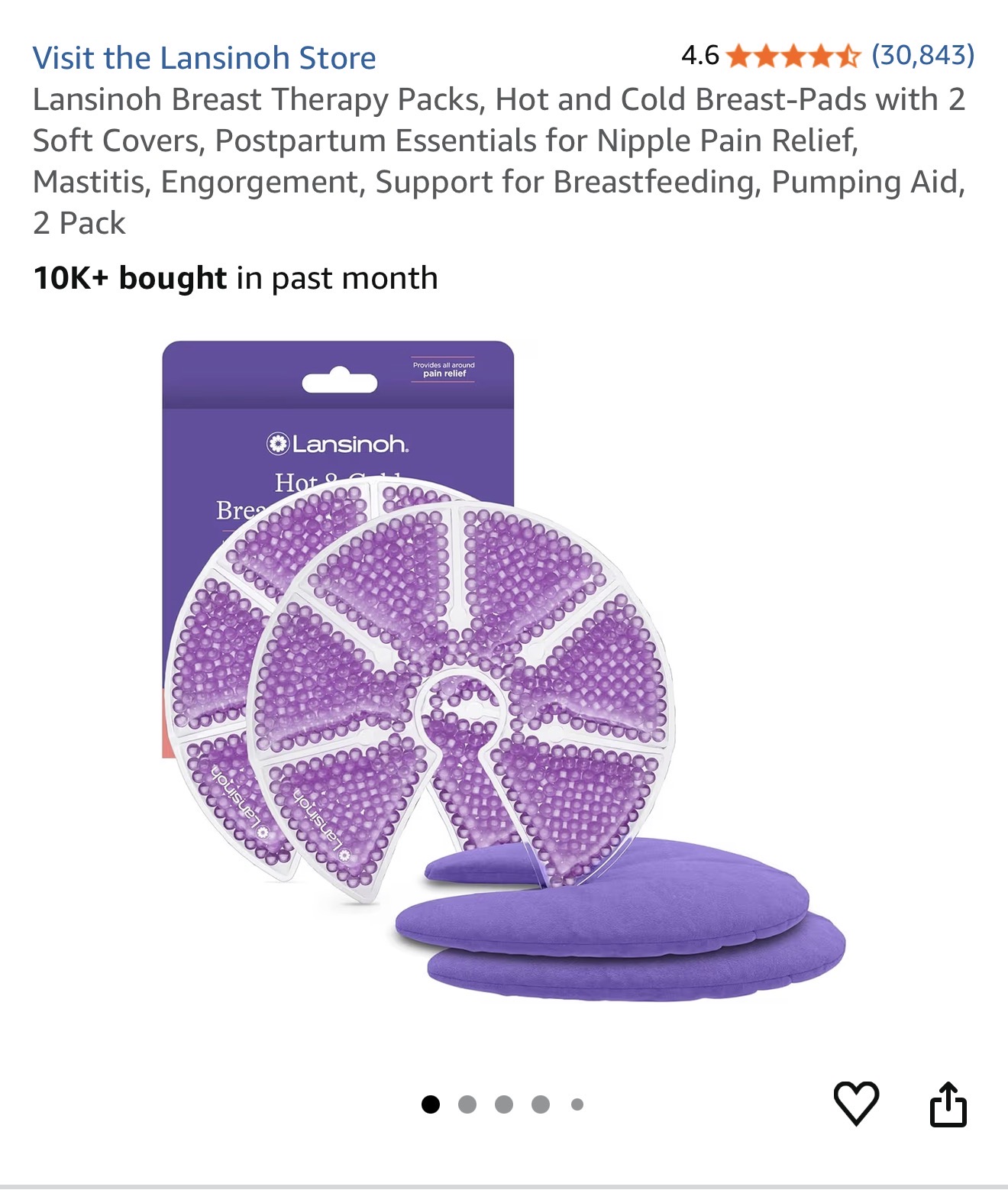
Provide relief for engorgement and discomfort, helping you feel more physically supported.
4. Small Moments of Care
Even simple self-care can create emotional reset moments.
Self-Care Gift Set

A simple way to create small moments of rest and care in your day.
5. Talk to Someone You Trust
This could be:
• partner
• friend
• nurse
• therapist
You are not meant to carry this alone.
Emotional Truth from a Postpartum Nurse
Many moms feel pressure to be:
• grateful
• happy
• “adjusting well”
But the truth is:
You can love your baby deeply and still struggle.
Both can exist at the same time.
Final Thoughts
Even in moments that feel heavy, you are not alone.
“The Lord is close to the brokenhearted…” — Psalm 34:18
You are seen.
You are supported.
And it is okay to ask for help.
Postpartum mental health is just as important as physical recovery.
Pay attention to:
• how you feel
• how long it lasts
• how much it impacts your daily life
Getting support is not a failure—it is a step toward healing.
And healing matters—not just for you, but for your baby and your family.
-Jessica Azcarraga
I share products that I truly trust and recommend as a nurse and as someone passionate about supporting families. Some links may be affiliate links, which means I may earn a small commission at no extra cost to you. Thank you for supporting Nurture by Grace and allowing me to continue serving families in this space.
Leave a Reply